Introduction
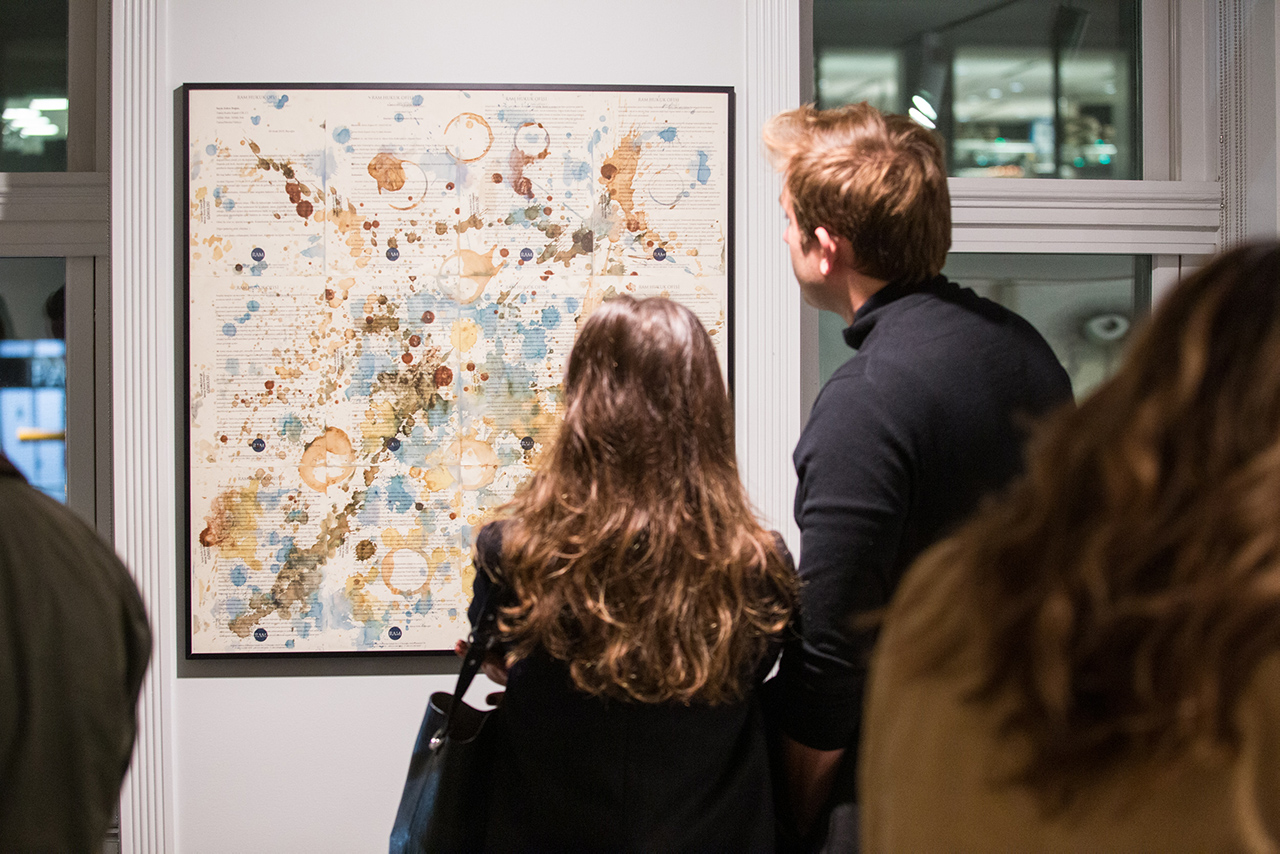
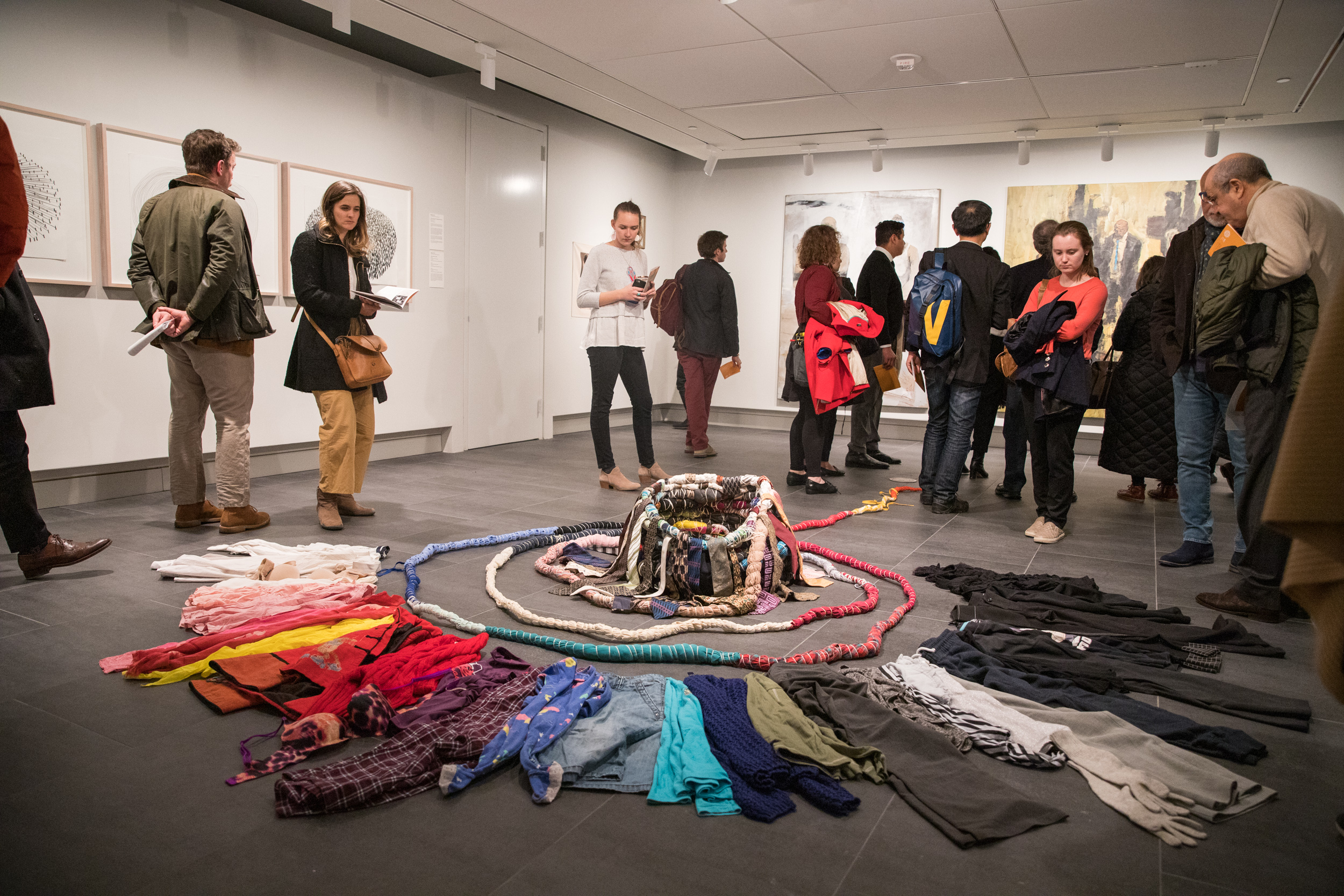
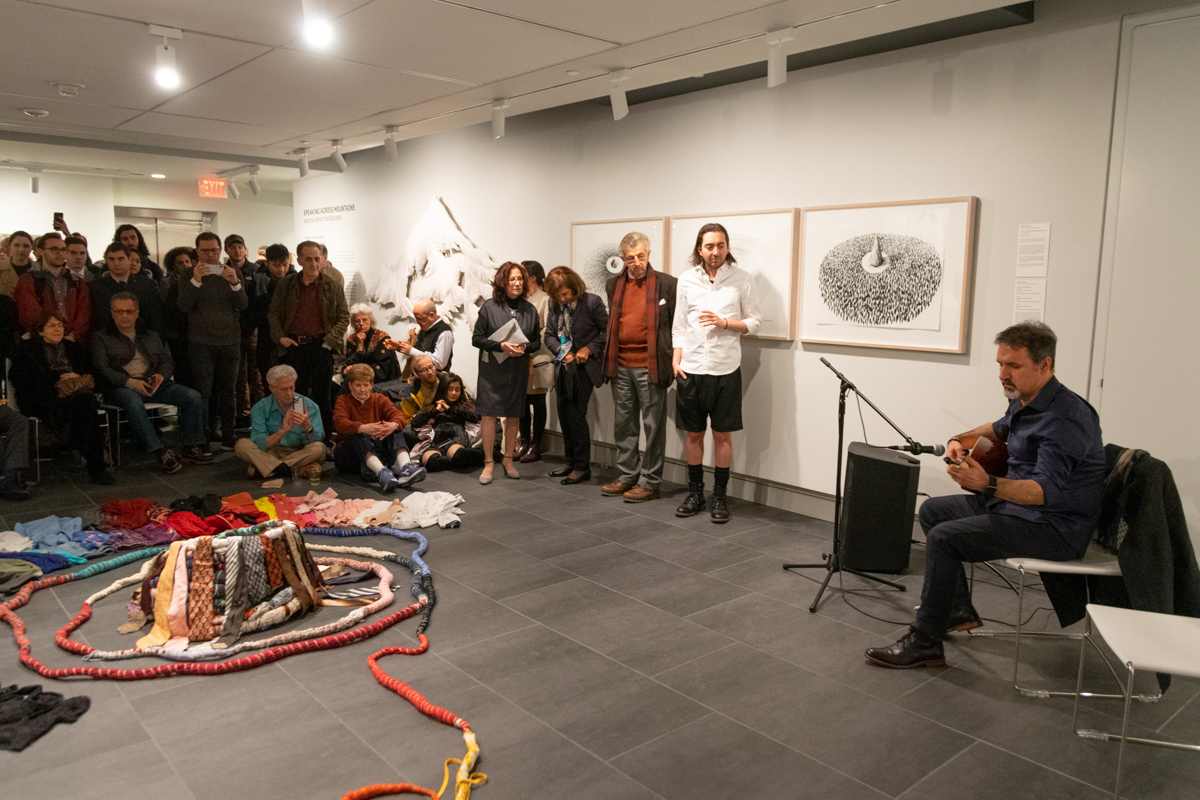
Speaking Across Mountains: Kurdish Artists in Dialogue featured ten contemporary artists from Iraq, Turkey, and Syria, many now living in the diaspora. Through drawing, painting, sculpture, textile, installation, photography, and video, the artists explored themes that have long shaped the Kurdish experience, such as displacement, exile, memory, gender, and autonomy, while giving voice to the resilience of Kurdish communities in the face of decades of persecution.
Often described as the world’s largest stateless ethnic group, 35 million Kurds are spread mostly across the intersection between Turkey, Syria, Iraq, and Iran. Viewed as a threat to the nationalist agendas of regional governments, Kurds have suffered systematic attacks against their communities and culture since the collapse of the Ottoman Empire after World War I.
Though the ten featured artists come from different backgrounds and work in diverse mediums, their art reflects shared cultural references and parallel reactions to a complex geopolitical situation. Some of the artists self-identify as Kurdish only; others provide a hyphenated identity, balancing both their ethnic and national identities.
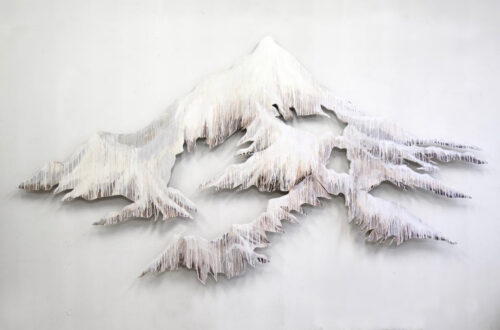
But they are all linked by a common history, symbolized by the Taurus and Zagros mountain ranges, which have for decades provided refuge to a persecuted people and which continue to dominate the cultural and emotional landscape of the Kurdish people.
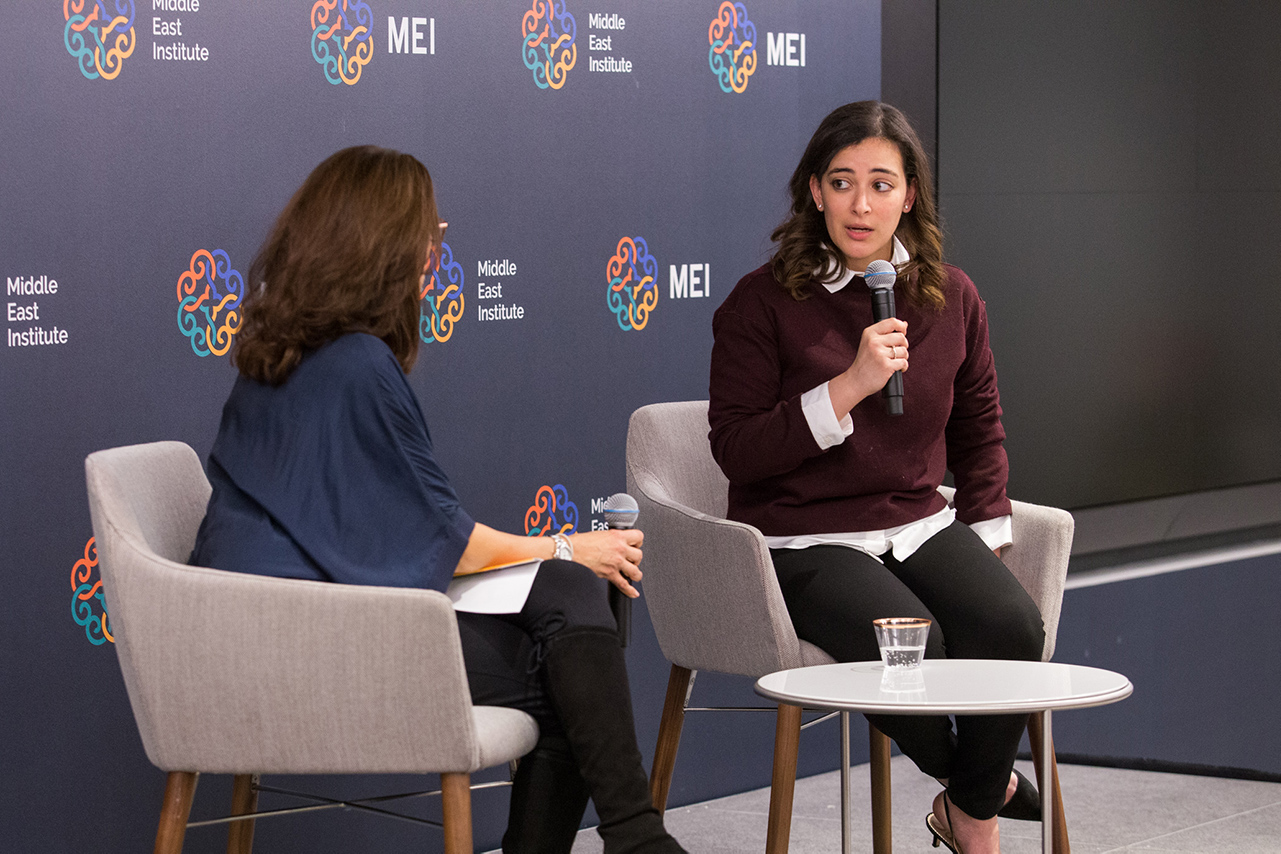
Speaking Across Mountains was just the start of a richer engagement with Kurdish contemporary culture, with the goal of enhancing understanding about a long-misunderstood people.