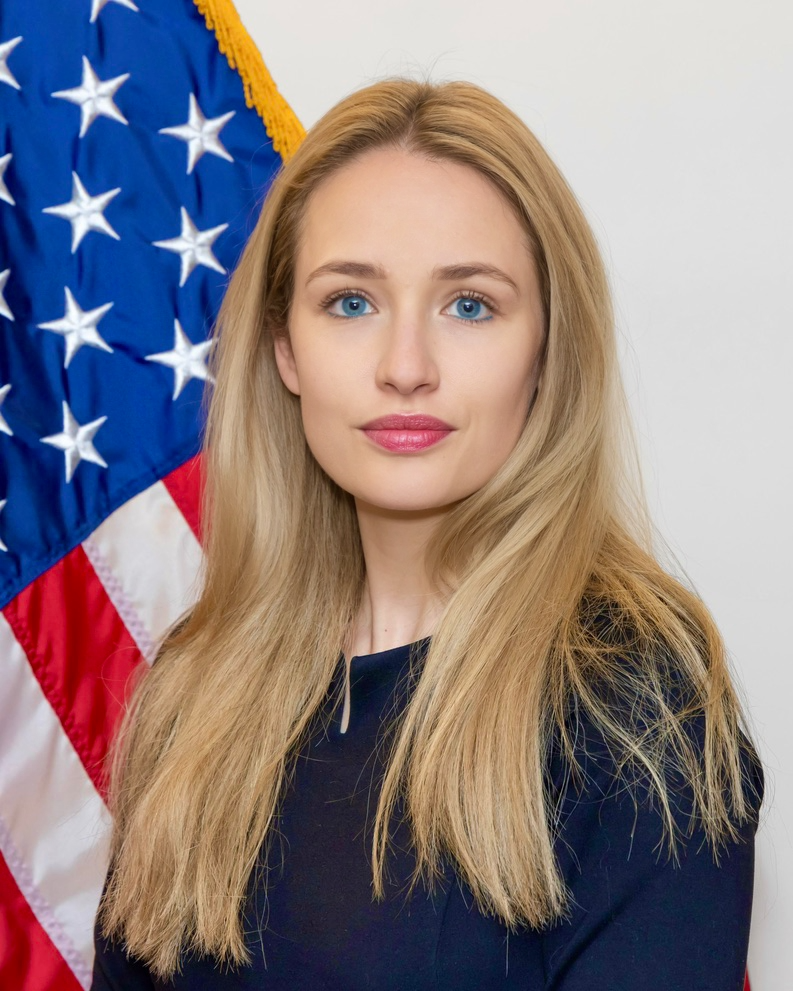
Dr. Grace Wermenbol is a Director in NIM-Near East at the Office of the Director of National Intelligence. She previously served as a consultant to the U.S. Government. The Middle East Policy Council listed her in their 40 Under 40 awards for influential Middle East experts in 2023.
Dr. Wermenbol lectured at the University of Oxford, where she taught on the Israeli-Palestinian conflict, and was a researcher at Oxford’s Department of Politics and International Relations. She is the author of A Tale of Two Narratives (Cambridge University Press, 2021), a study of Israeli and Palestinian societies in the post-Oslo era. She received her PhD and master’s from the University of Oxford, St Antony’s College.
Dr. Wermenbol has published with leading international think tanks, including the Atlantic Council, Carnegie Endowment for International Peace, and the International Institute of Strategic Studies, and she has briefed intergovernmental organizations such as the United Nations. Her commentary has appeared in the Washington Post, Voice of America, France 24, BBC, Haaretz, The Jerusalem Post, among other prominent media outlets.
A look back at the year’s most important developments with analysis from Paul Salem, Alex Vatanka, Randa Slim, Gerald Feierstein, Gonul Tol, Jonathan M. Winer, Khaled Elgindy, Marvin G. Weinbaum, Mirette F. Mabrouk, Grace Wermenbol, Syed Mohammad Ali, Robert S. Ford, and Khaldoun Khelil.
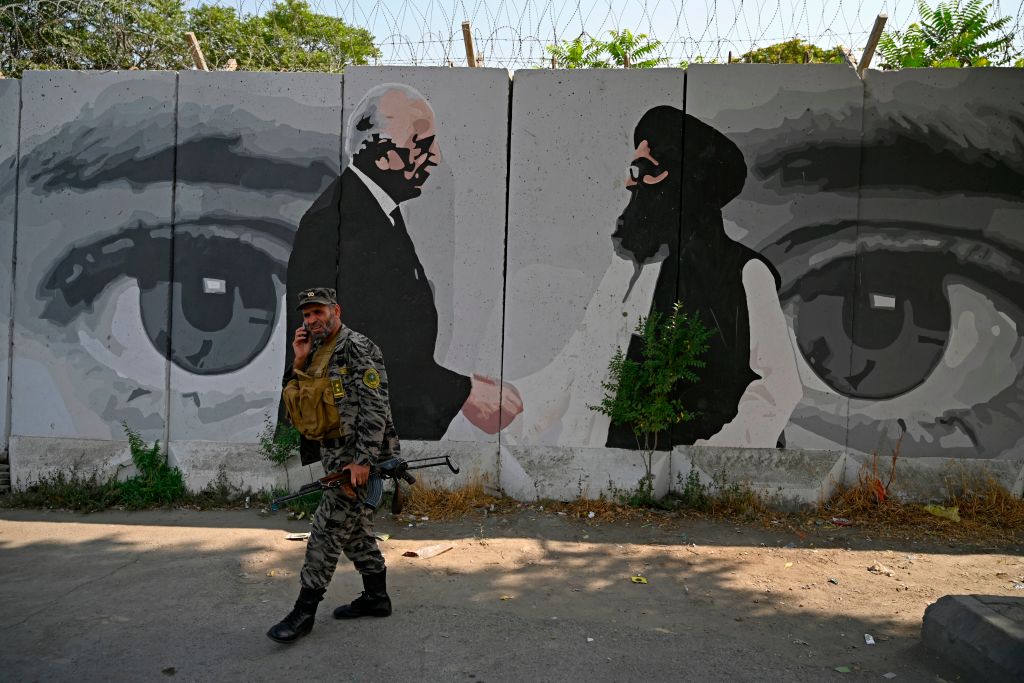
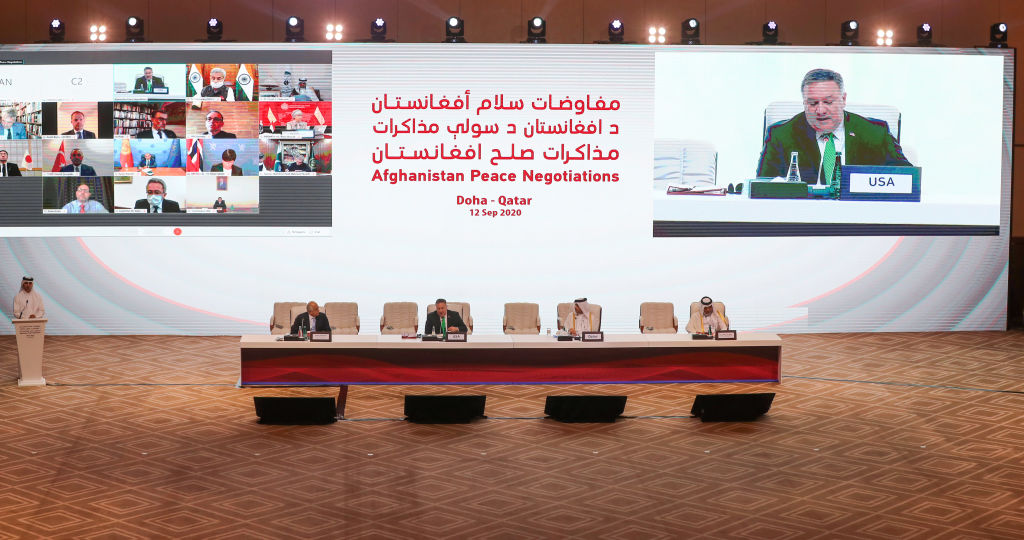
Monday Briefing: Intra-Afghan talks begin with pomp and circumstance
This week’s briefing on recent news and upcoming events in the region featuring Marvin G. Weinbaum, Grace Wermenbol, Jason Pack, Shahla Al-Kli, and Khaldoun Khelil.
For Palestinians, annexation spells further erasure of their history
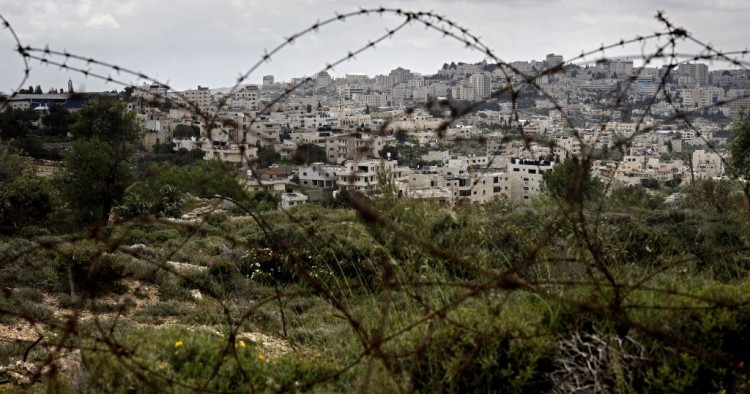
With the impending U.S.-supported annexation of West Bank territory, Palestinians living in these designated areas stand to lose not only their long-held aspirations for an independent state, but further eradication of their presence — a “spacio-cide” — in support of an Israeli-envisaged demographic and political vision.
Disrupting a delicate status quo: The Hamas crackdown on Salafi-jihadists
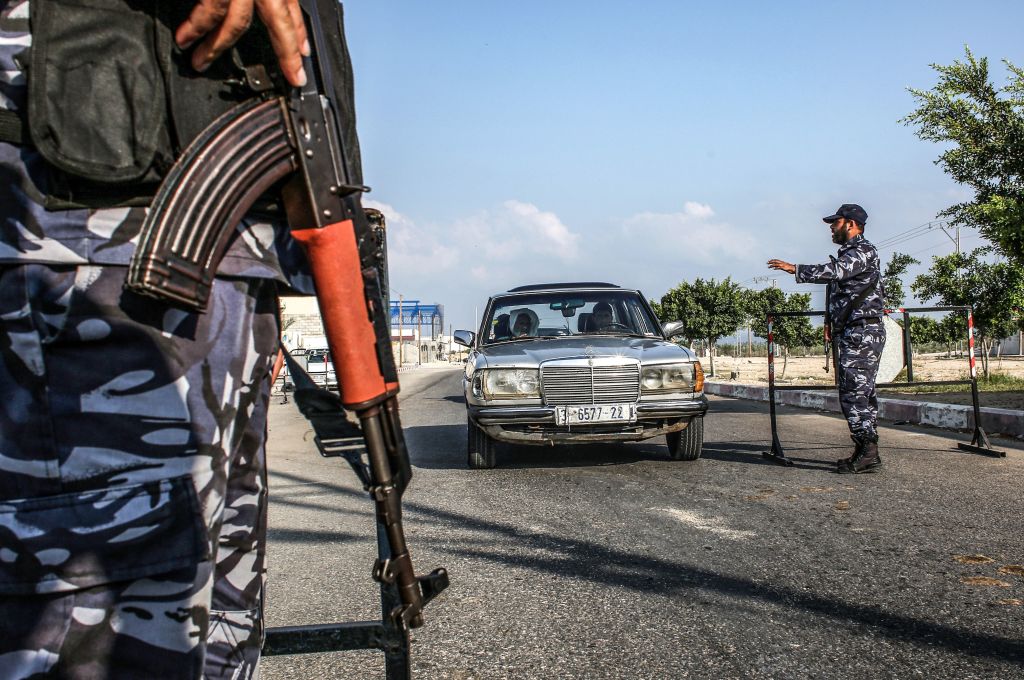
Reports of a secret war being waged by Hamas against Salafi-jihadist groups in the Gaza Strip are indicative of increasing challenges to the former’s security control within the enclave. Hamas’ current approach to violent Salafist cells in Gaza is equally demonstrative of an ongoing warming of relations between Cairo and Hamas, and one that has afforded Hamas international legitimacy and an ease in border restrictions.
A political lifeline for Netanyahu as coalition talks continue
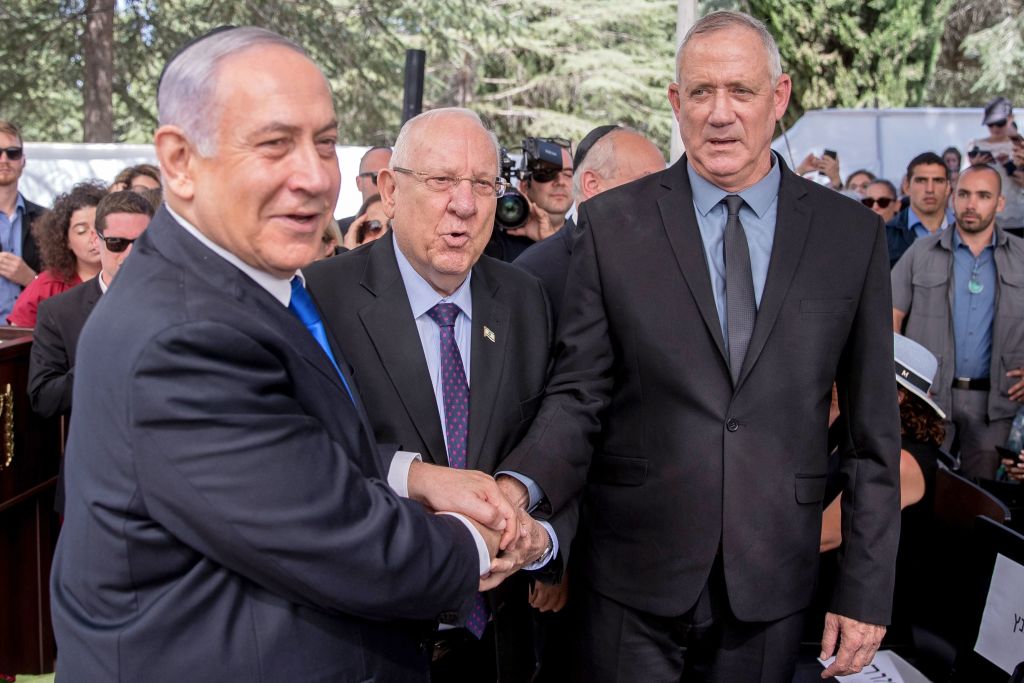
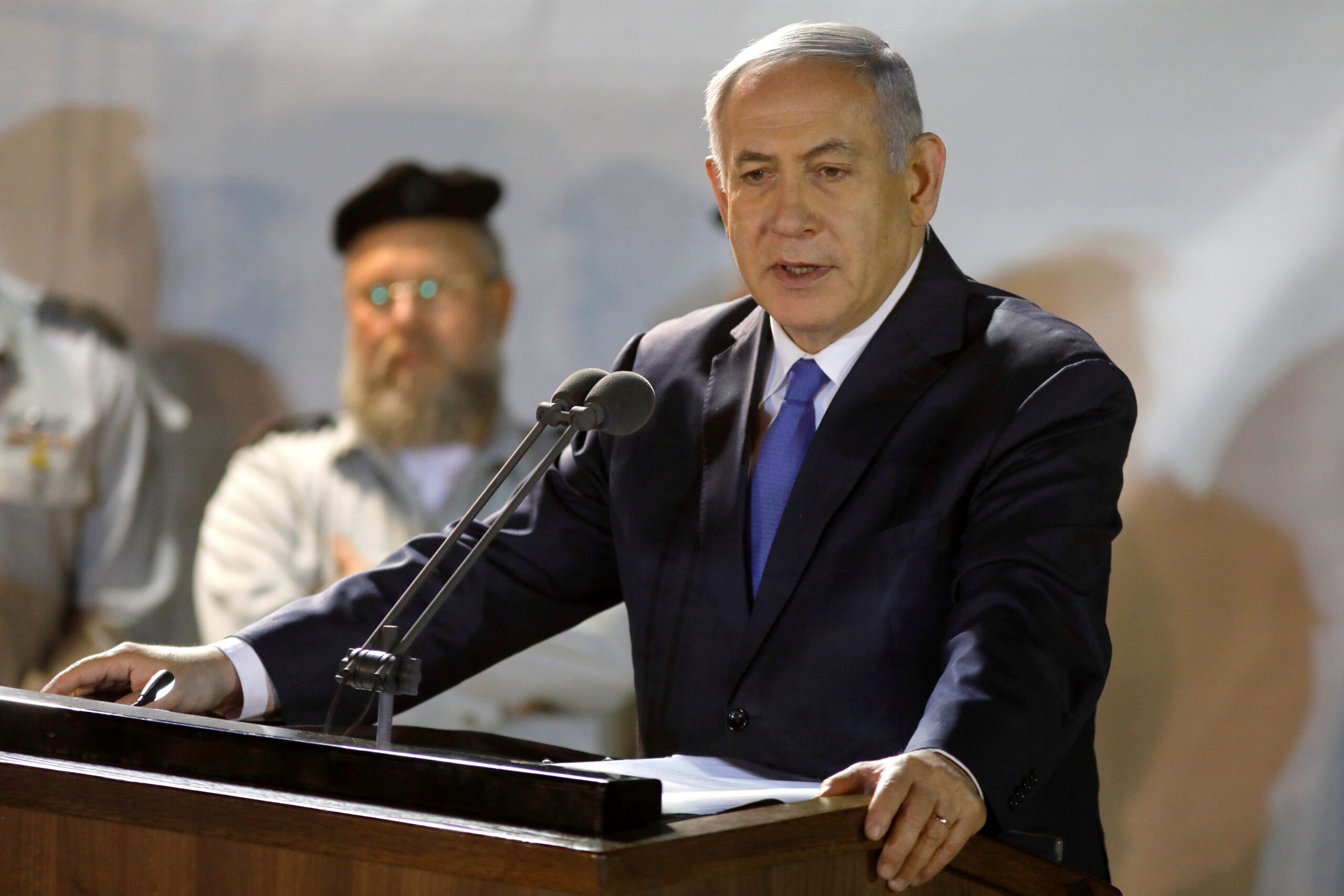
Last Wednesday, Prime Minister Benjamin Netanyahu was cast another political lifeline. Reuven Rivlin, the Israeli president, gave Netanyahu the first chance to form a coalition government; formally, he has 28 days to do so. Netanyahu’s task will prove difficult.
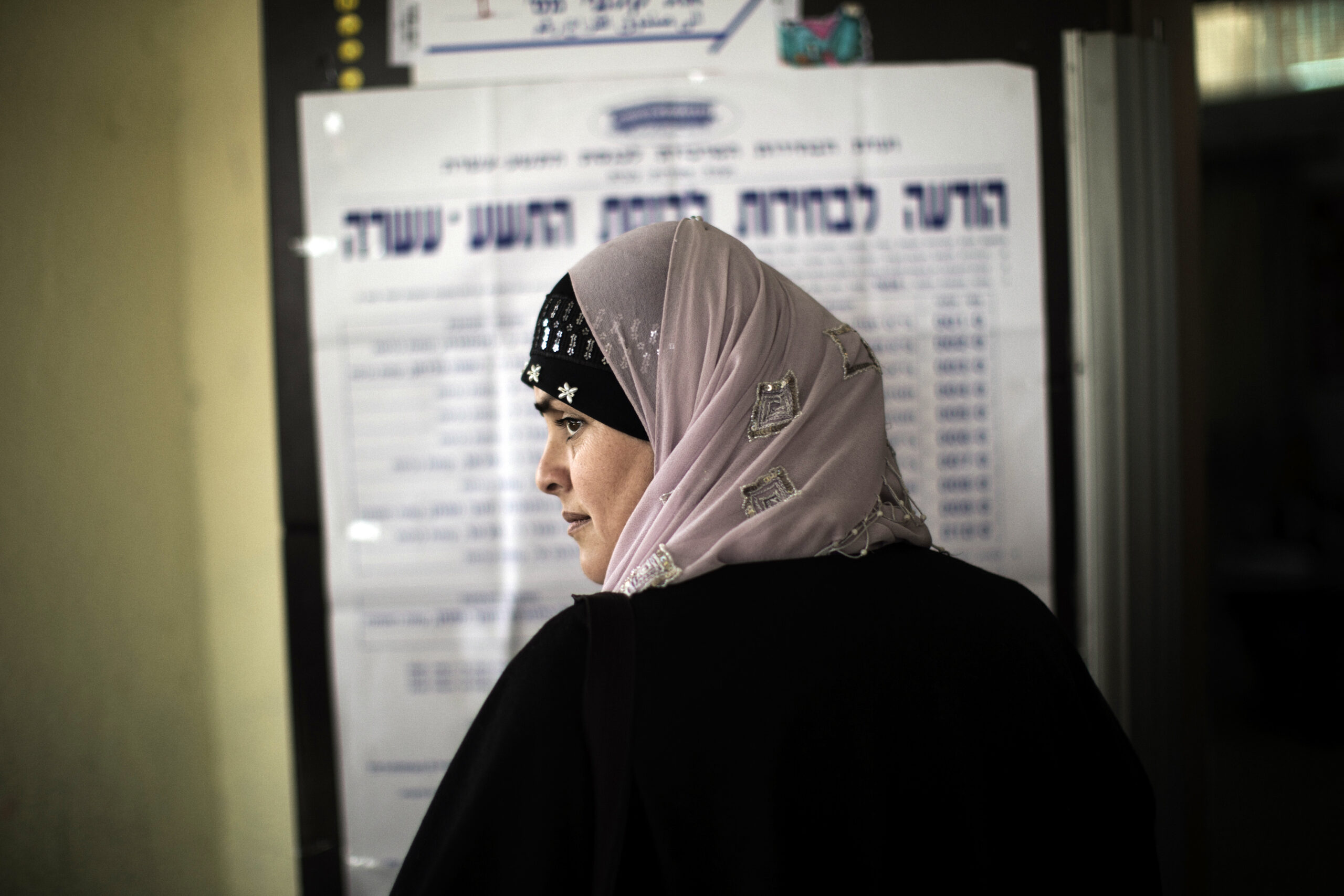
The Ongoing Divide: Palestinian Participation in Israeli Elections
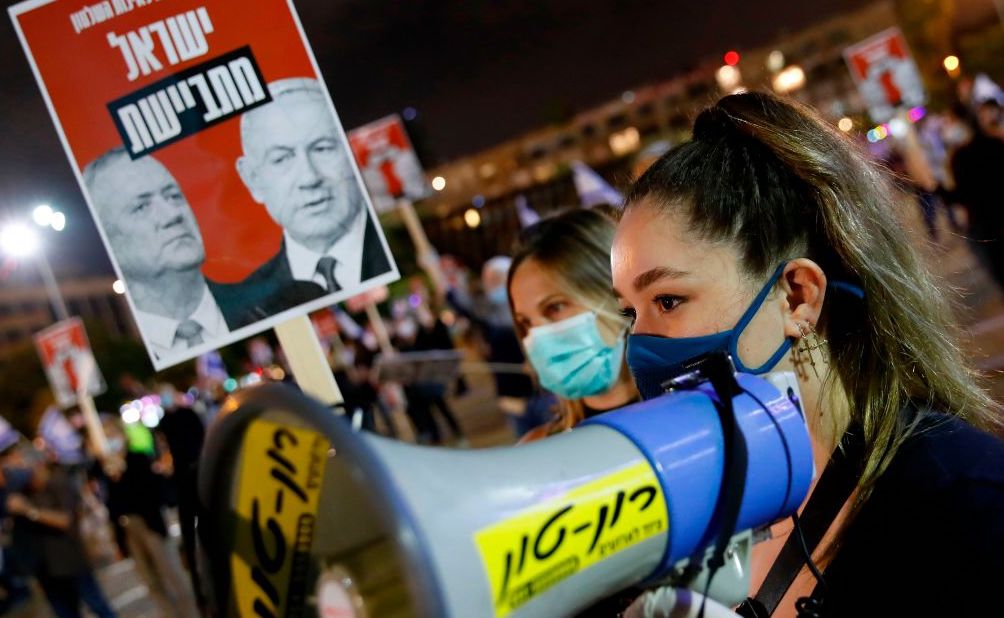
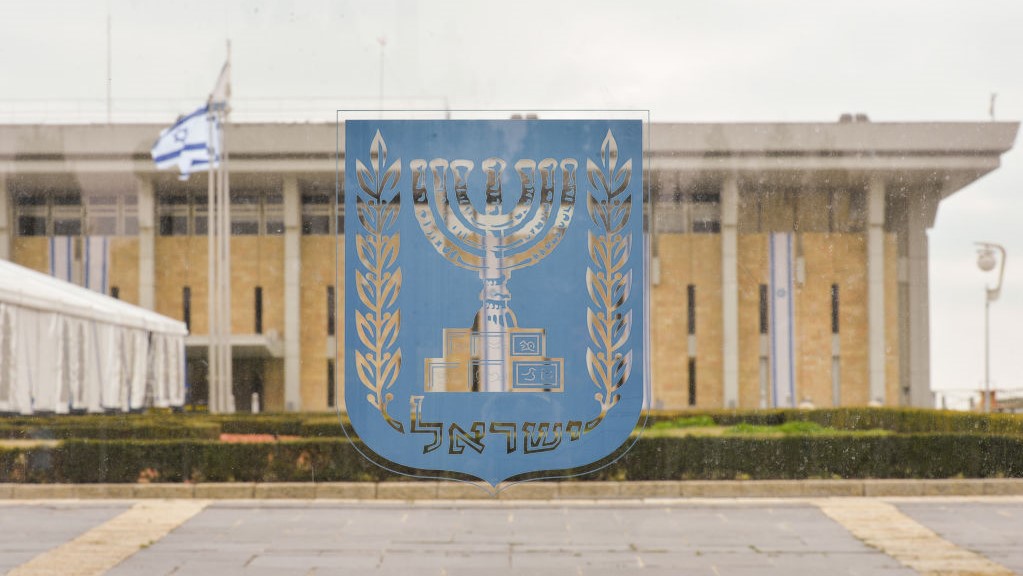
Despite constituting about 20 percent of the Israeli population, Israel’s Palestinian minority does not wield significant political power; throughout Israeli history Palestinian parties have played the role of the permanent opposition. While low Israeli-Palestinian electoral participation and the resulting disproportionate parliamentary representation have hampered political influence, these factors are merely one part of a multi-faceted and multi-causal picture. This report seeks to provide a comprehensive analysis of the exogenous and endogenous drivers of reduced Palestinian political engagement. It is concerned with the structural obstacles –– primarily put in place and sustained by the Israeli right wing –– that seek to impede Palestinian influence at the polls and in the Knesset.
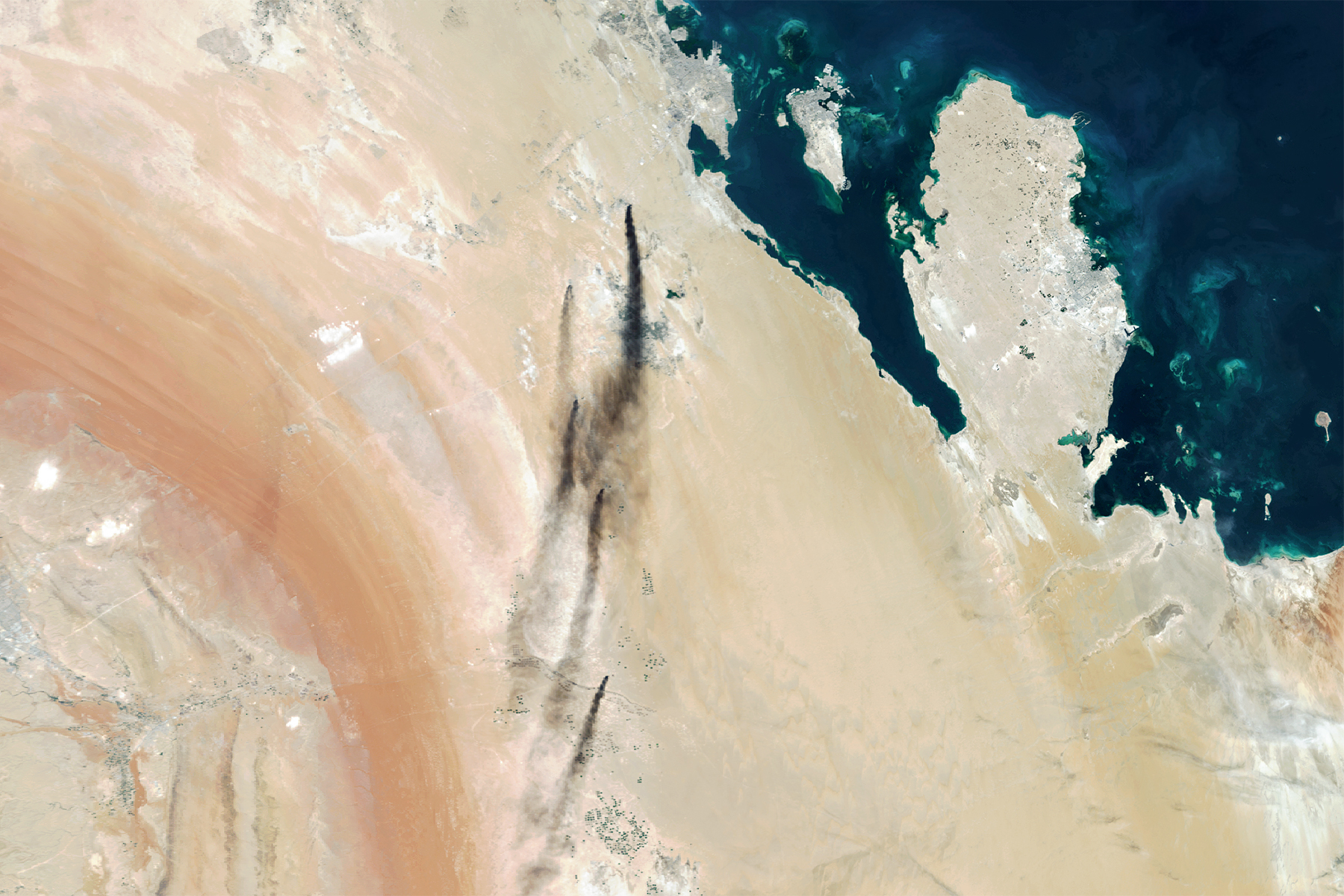
Monday Briefing: Attack on Saudi oil facilities has an impact far beyond the kingdom
This week’s briefing on recent news and upcoming events in the region featuring Ruba Husari, Paul Salem, Gerald Feierstein, Amal Kandeel, Grace Wermenbol, Robert S. Ford, Charles Lister, and Gonul Tol.
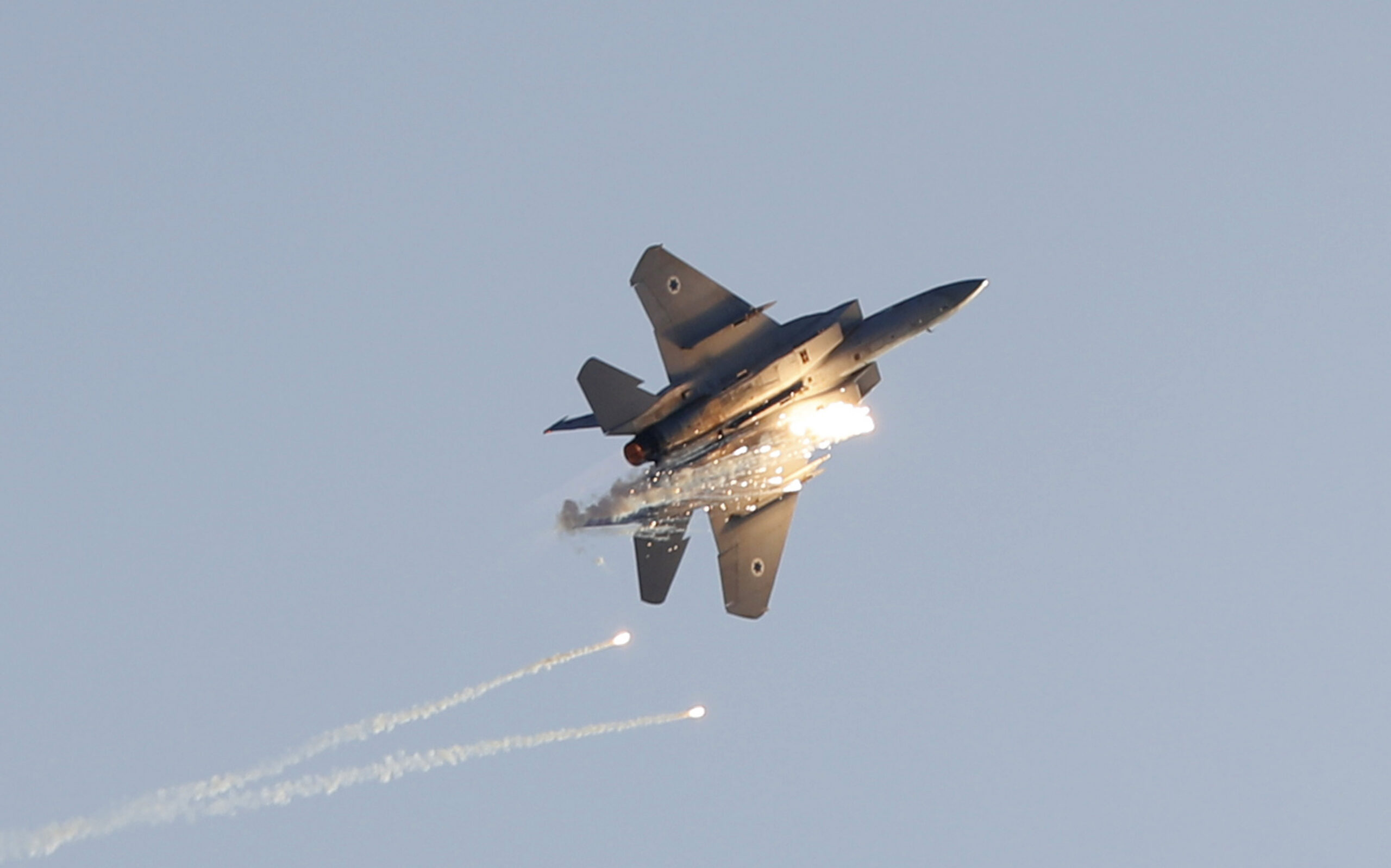
Countering and courting Iran: Israeli-Palestinian objectives in Iraq
Israel has reportedly expanded its operations against Iran in the Middle East. In July, Israeli and foreign media attributed airstrikes on Iranian targets near Baghdad to Israel. Last week, U.S. officials confirmed that Israel was responsible for the attacks, which mark the first such air raids on Iraq since 1981, when Tel Aviv destroyed Saddam Hussein’s Osirak nuclear reactor.
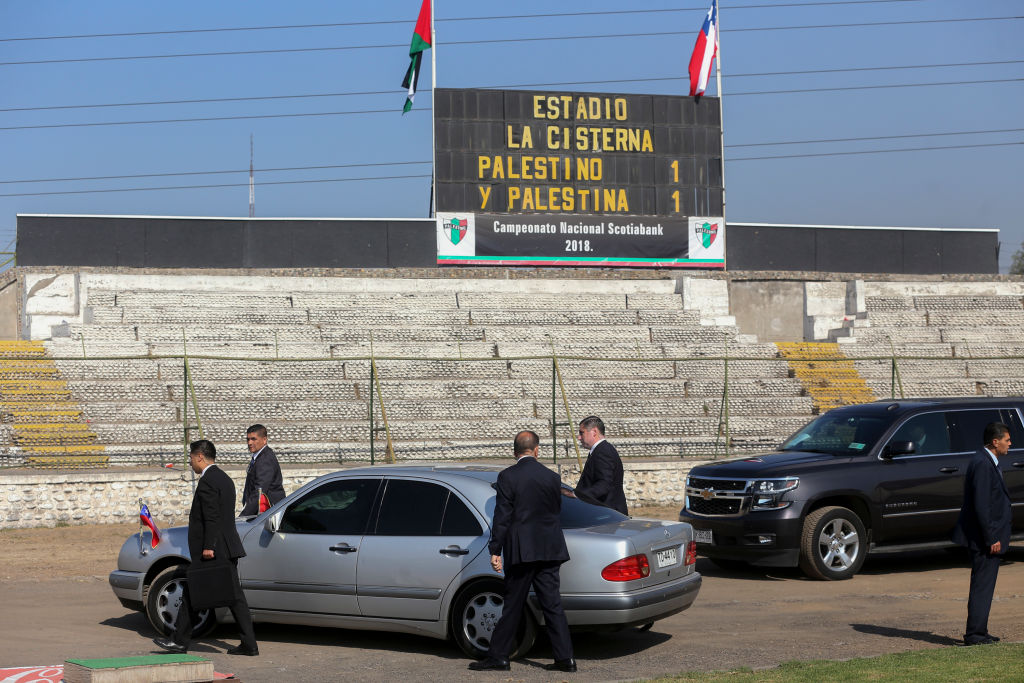
With the increased influence of right-wing populism and evangelicalism, Mahmoud Abbas has seen the region’s historic commitment to the Palestinian cause wane. These internal changes, along with a pivot toward Washington, have, in turn, aided Israeli Prime Minister Benjamin Netanyahu in making further inroads on the South American continent.
Following a brief lull on the Israel-Syria front earlier this year, Tel Aviv has once again resorted to striking Iranian assets to its north. While a direct confrontation between the IDF and Syrian forces seems unlikely, the path forward for Israel and Syria is unclear.
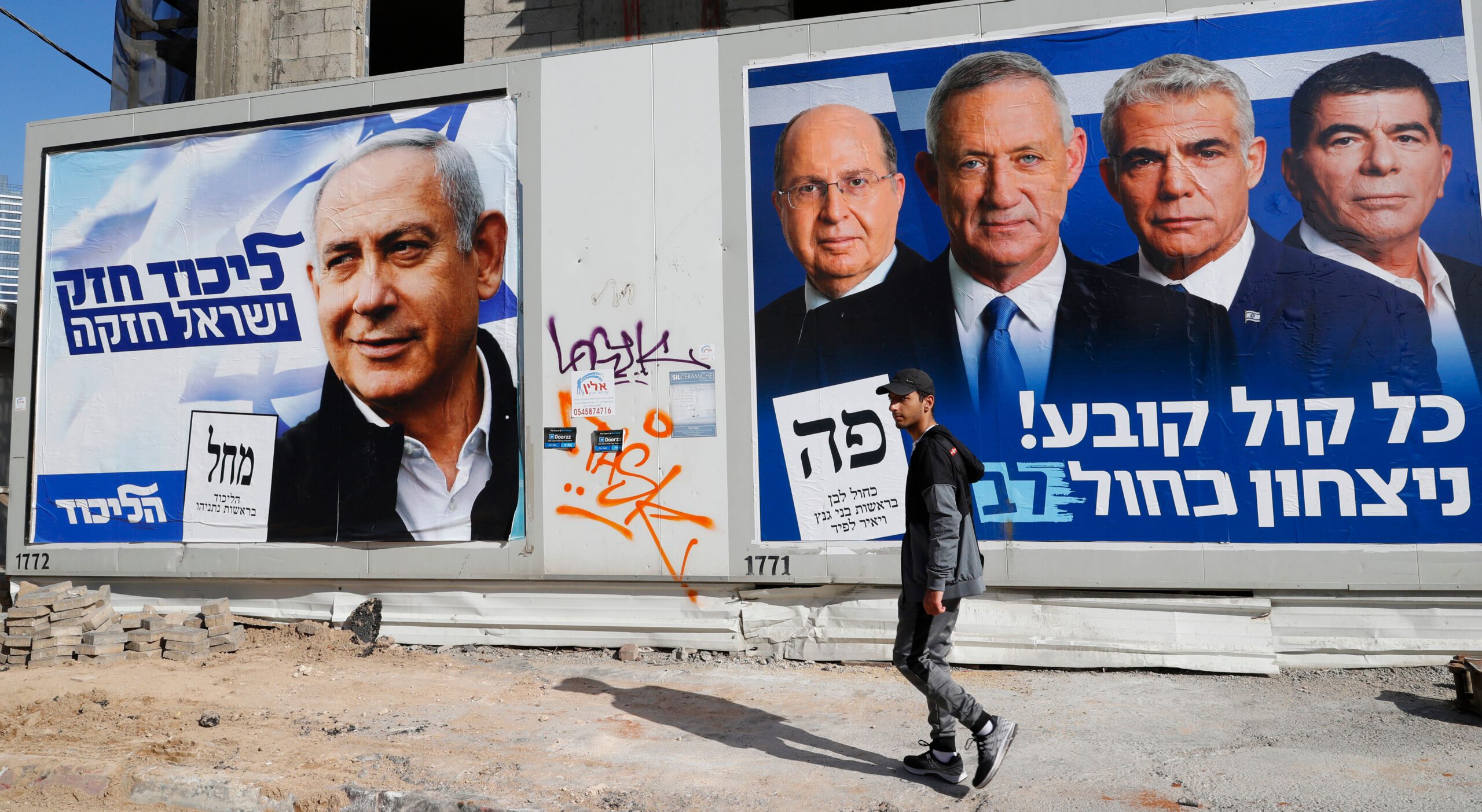
Israel’s general election, to be held next Tuesday, April 9, is full of even more sound and fury than usual, but it isn’t at all clear what it will signify.
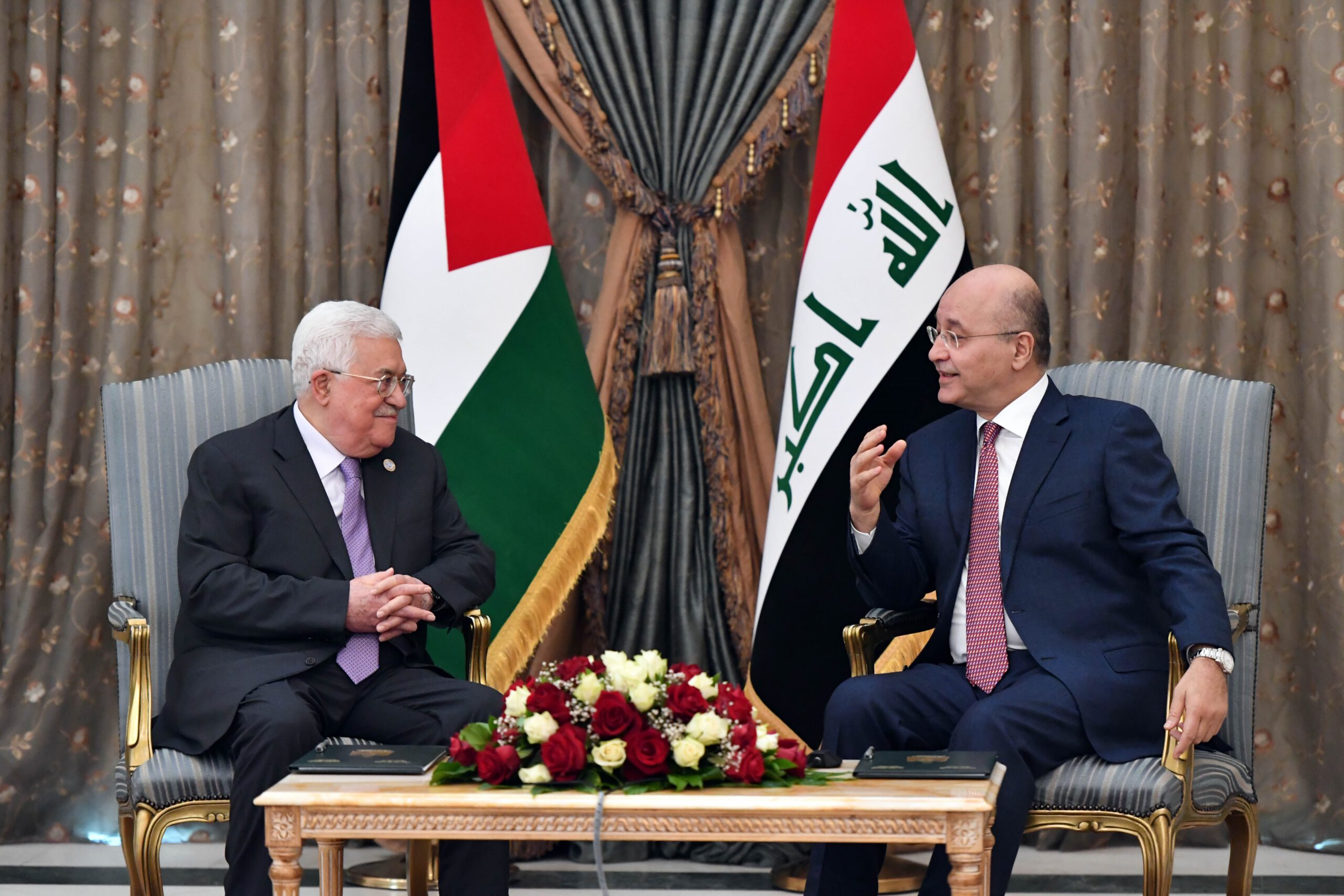
Following the liberation of ISIS-held territory in Syria and Iraq, Palestinian President Mahmoud Abbas is reestablishing ties with regional actors as a means to mobilize Arab support for the Palestinian cause.