This individual is a guest contributor. MEI is not able to assist with contact requests.
Fariba Parsa, Ph.D., specializes in political ideologies of democracy and civil movements in Iran. She worked as an assistant research professor at George Mason University, has conducted research at Harvard University and the University of Maryland, and was previously a Non-Resident Scholar with MEI’s Iran Program. Dr. Parsa was born and raised in Iran. She lived in Denmark for several years and has worked with Danish national and grassroots organizations on human rights and democracy for more than 15 years. She was elected as a board member of a number of organizations in Denmark, such as the Danish National Women’s Council, Danish Council for European Policy, and the Danish National Council for Human Rights. She has contributed to Danish newspapers and national TV. Dr. Parsa currently works at Yorktown System Groups as a Farsi instructor and is the founder and president of Women’s E-Learning in Leadership (WELL), a nonprofit organization with the mission of empowering university women to become leaders and make a positive change in their community.
How international women’s organizations are supporting Iran’s protest movement
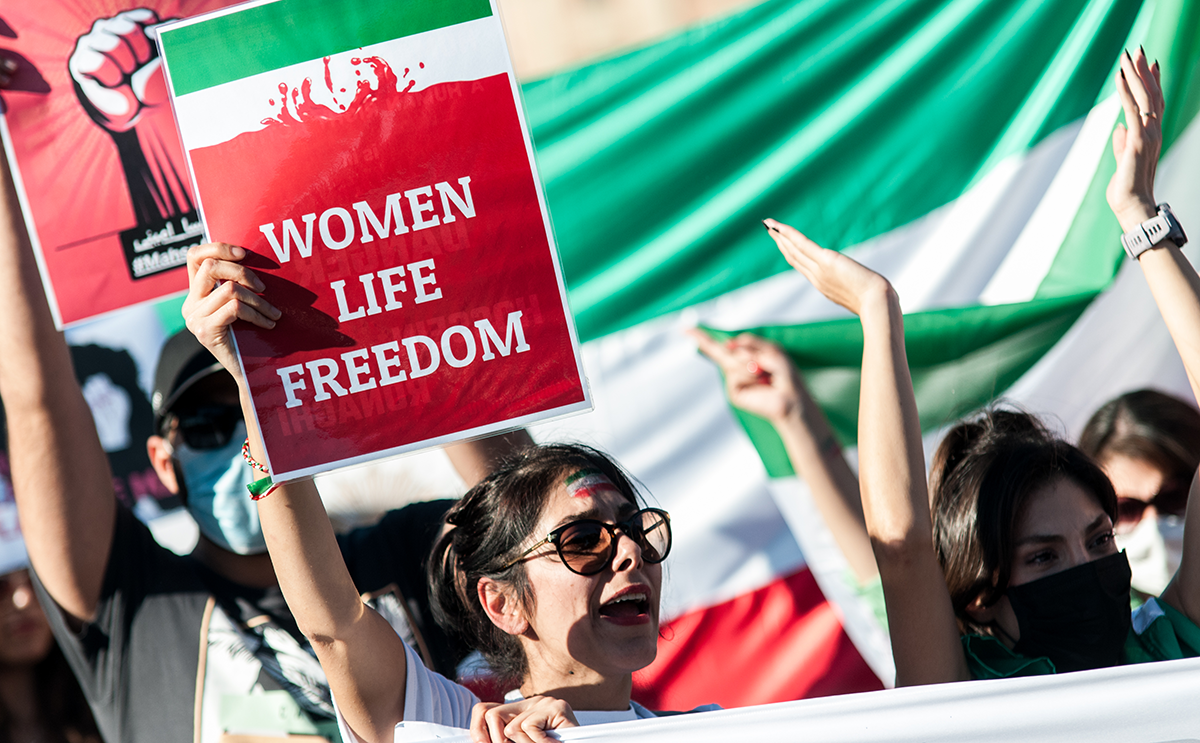
Over the past three months, there has been a massive outpouring of support around the world for the people of Iran, and especially Iranian women, amid the ongoing nationwide protests. International women’s organizations have played a central role in this effort, backing the protests, condemning the harsh government crackdown and Iran’s discriminatory laws, and pushing for the expansion of rights for women and all Iranians. Here are four things women and women’s organizations around the world have been doing to help.
Iranian women both within the country and in the diaspora are working together to usher in real social and political change in Iran. Women-led grassroots organizations are leading an effort to promote democracy and human rights through a collaborative, non-ideological approach.
What do hardliner women make of Iran’s new government?
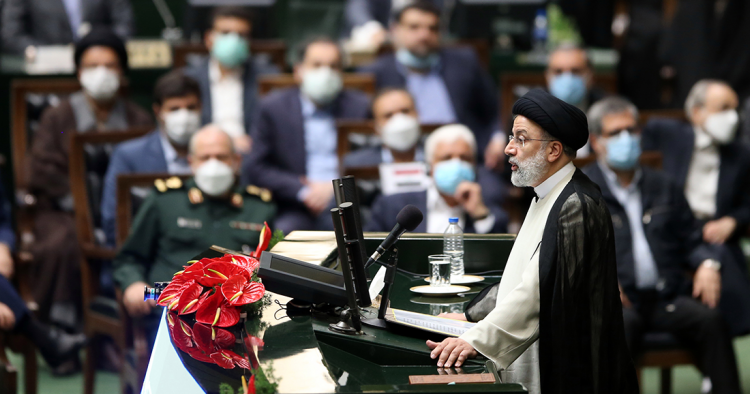
Women in higher positions within the Iranian state who are loyal to the system of the Islamic Republic and Supreme Leader Ayatollah Ali Khamenei’s leadership are dissatisfied with the new government under President Ebrahim Raisi, and especially with its composition. They had expressed their hopes that with women accounting for half of Iran’s population, they could be responsible for at least one of the ministries in the cabinet. Instead, Raisi’s government, approved by parliament at the end of August, is made up of conservatives and includes not a single woman. What impact is that likely to have on support among women who back the system? Will these women fight for greater political participation within the government or become disillusioned with it? And what consequences might that have for the Iranian state in the longer run?
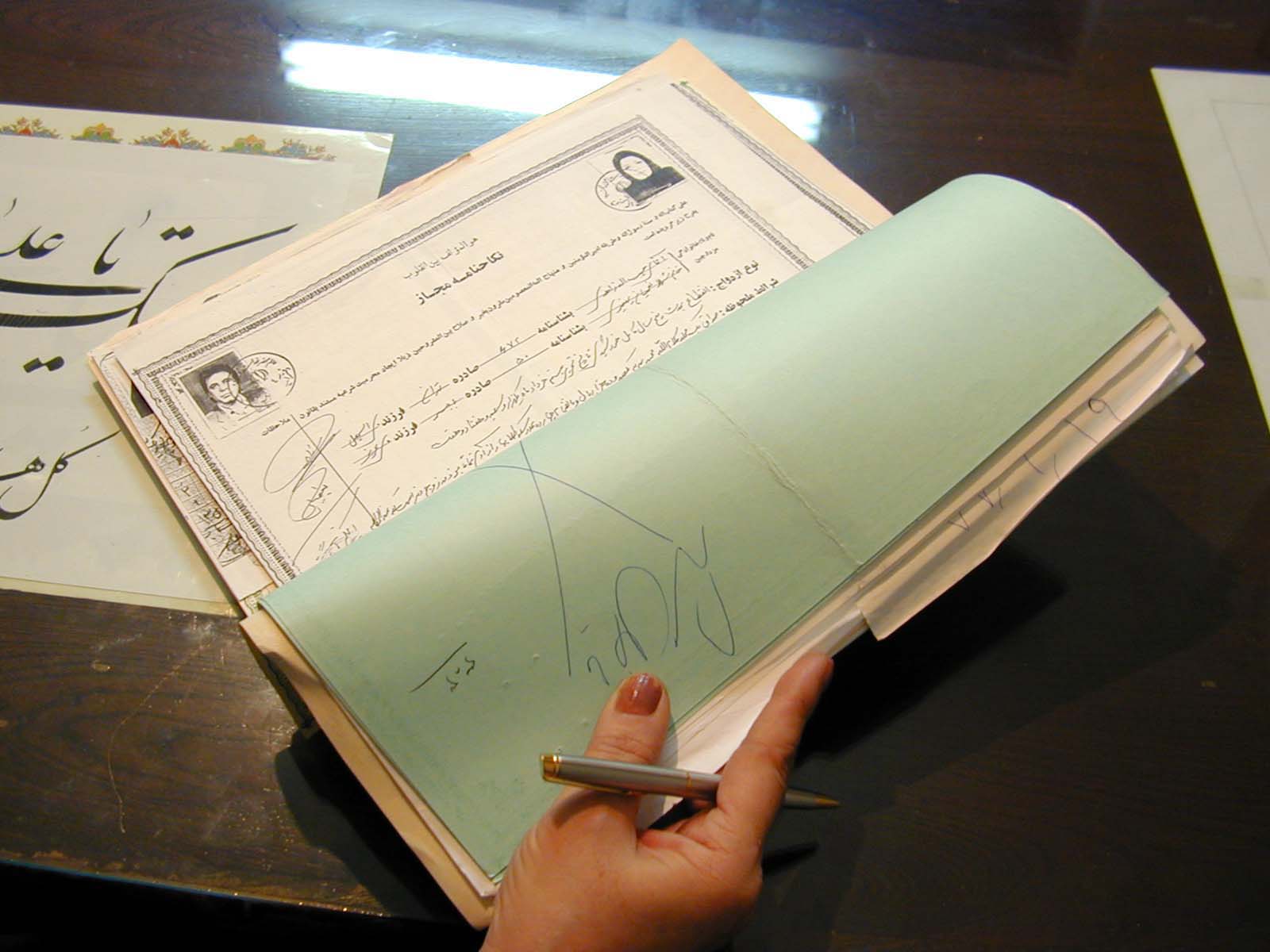
Iranian women campaign to stop the rise in “honor killings”
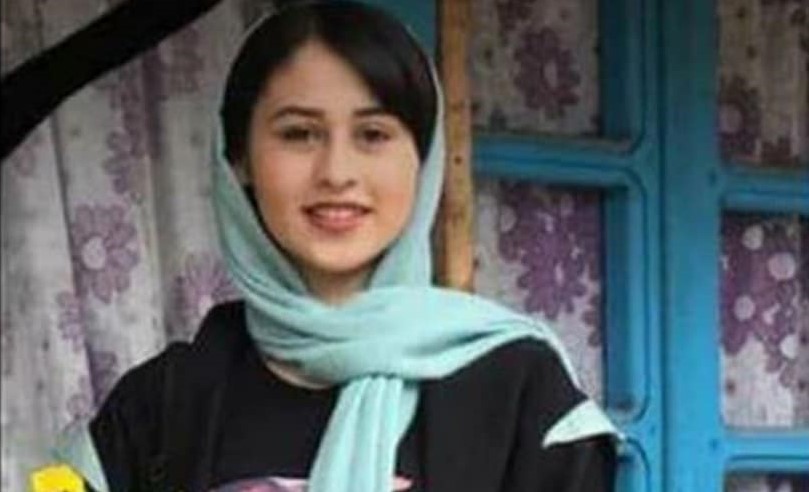
Every year 400-500 women are killed brutally in Iran to protect men’s “honor.” The killers are usually close relatives — often the victim’s father, husband, or brother. According to a report published in The Lancet in October 2020, at least 8,000 such killings were reported in Iran between 2010 and 2014. “The number of honor killing victims is greater than reported as in some cases women were driven to suicide or the cause of the death was not reported as murder but as illness,” according to Dr. Rezvan Moghadam, founder of the Iranian organization Stop Honor Killings. Dr. Moghadam has documented more than 1,200 cases of honor killings in the country. According to research, which will soon be published as a book and made available to the public, these kinds of violent killings of women and girls have been increasing for the last 20 years in different cities and villages in Iran.
After eight years as Iran’s president, what is Rouhani’s record on women’s rights?
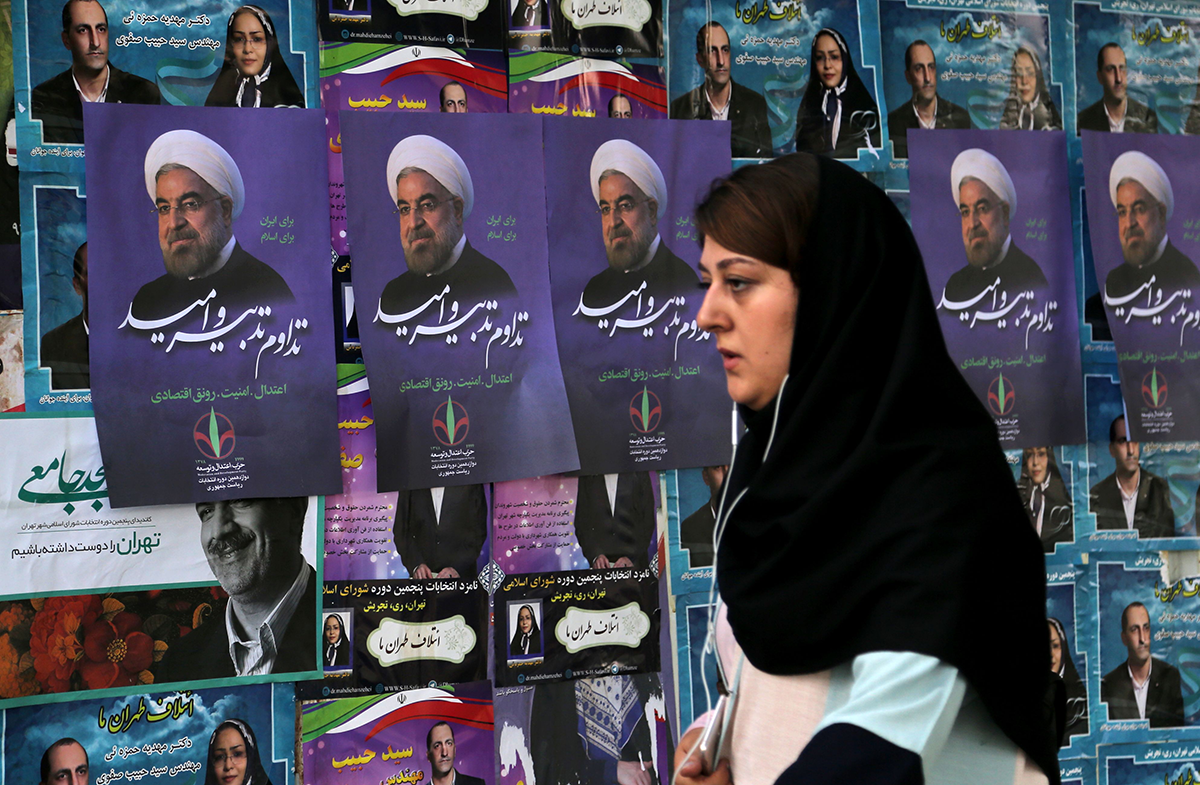
Today, as we approach the end of Rouhani’s government, how should historians and scholars evaluate the economic, political, and social situation over the last eight years? The issues of women’s political participation and social freedom, which were promised by Rouhani, especially during his first campaign, are of particular importance in this regard.
In the face of Islamic laws, Iranian women are reappropriating Ancient Persian culture
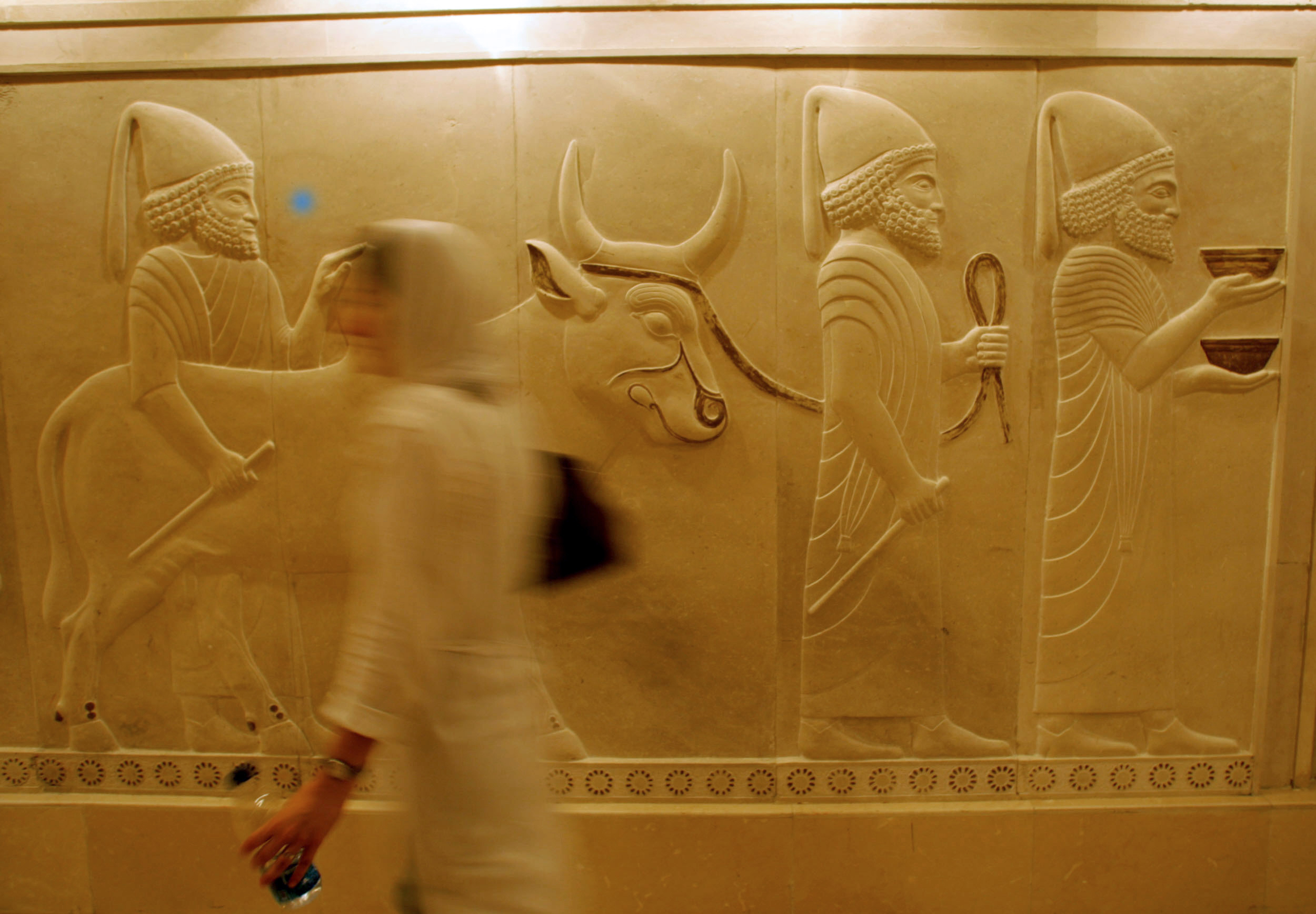
Iran is an Islamic country where, according to official statistics, over 99% of the citizens are Muslim. Even though the state in Iran advocates for Islamic laws and regulations for all citizens, over 60% of Iranians identified themselves as non-Muslim according to a survey in June 2020 by the research institute “the Group for Analyzing and Measuring Attitudes in Iran” (GAMAAN). Only 32.2% of the 40.000 interviewed identified themselves as Shi‘a Muslim; 5% as Sunni Muslim; 22.2% as non-religious; 8.8% identified themselves as atheist; 7.1% as spiritual and 7.7% as Zoroastrian.
Dancing during the pandemic: Despite restrictions, music and dance retain a central role in Iranian society
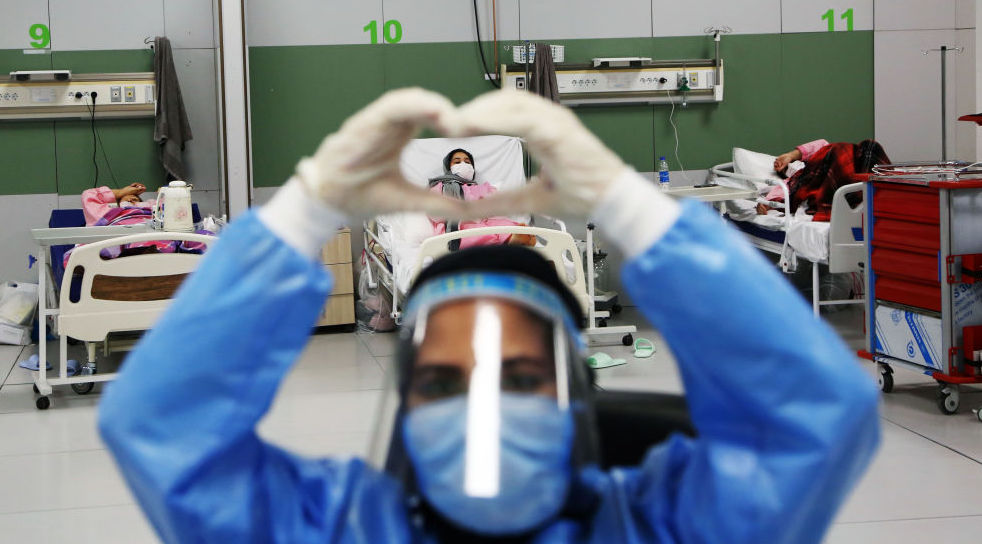
Since the outbreak of the COVID-19 pandemic, music and dance have become increasingly common in Iran’s hospitals and on its streets. Long disallowed in public after the Islamic revolution of 1979, they have become both a source of support for Iranians during difficult times and a way of resisting the regime.
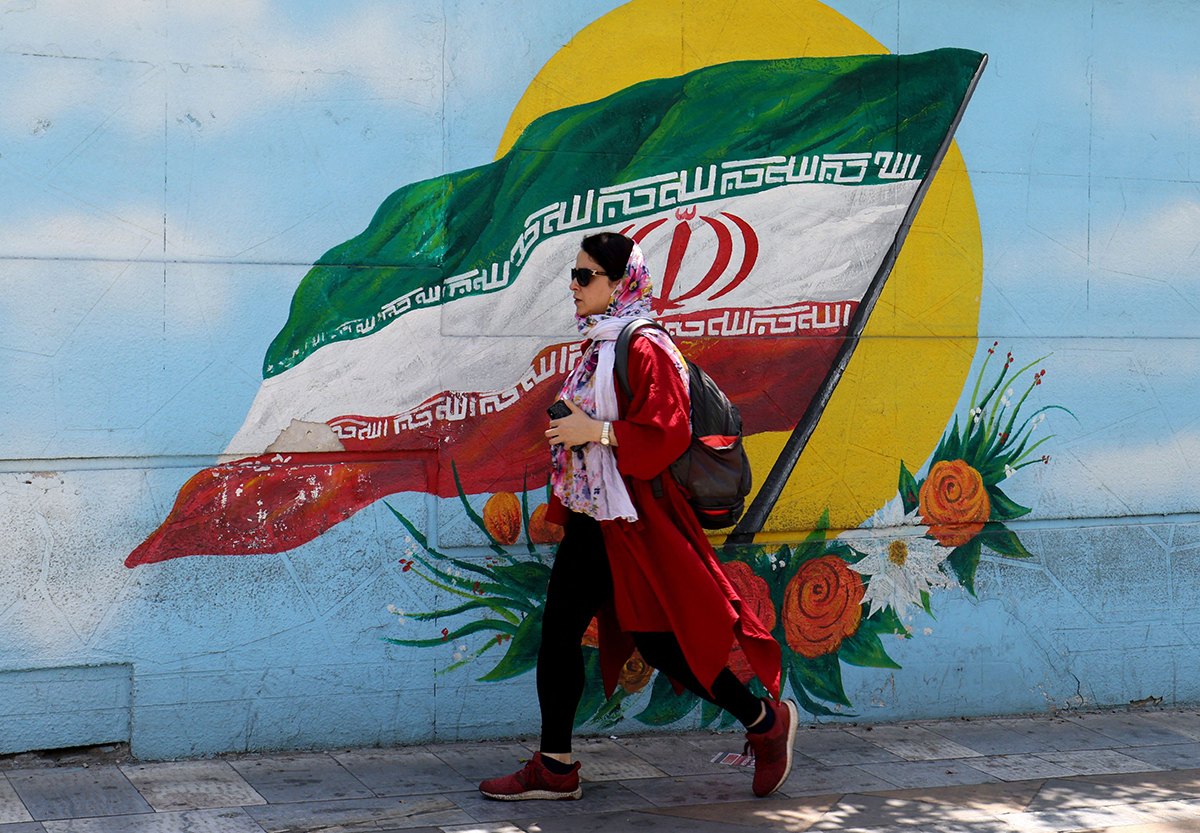
For more than a century, Iranian women have worked for change and fought for their freedom. Under the system in place in the Islamic Republic, however, they continue to face systematic, widespread legal discrimination. Despite the hurdles they currently face, with organization, unity, and common purpose, Iranian women are capable of changing history and building a new future for their country.
Female entrepreneurship on the rise in Iran despite sanctions, social barriers, and an internet blackout
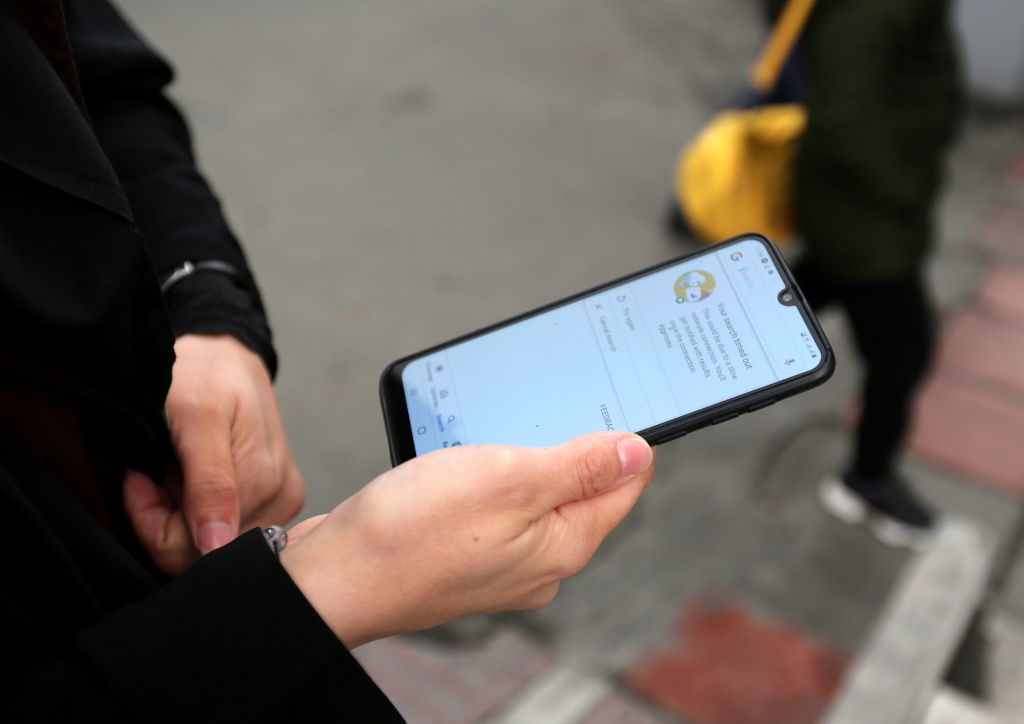
Female entrepreneurs in Iran have to contend with domestic, social, and legal barriers. To overcome the challenges, they are increasingly embracing online business, and many use Instagram as a platform.