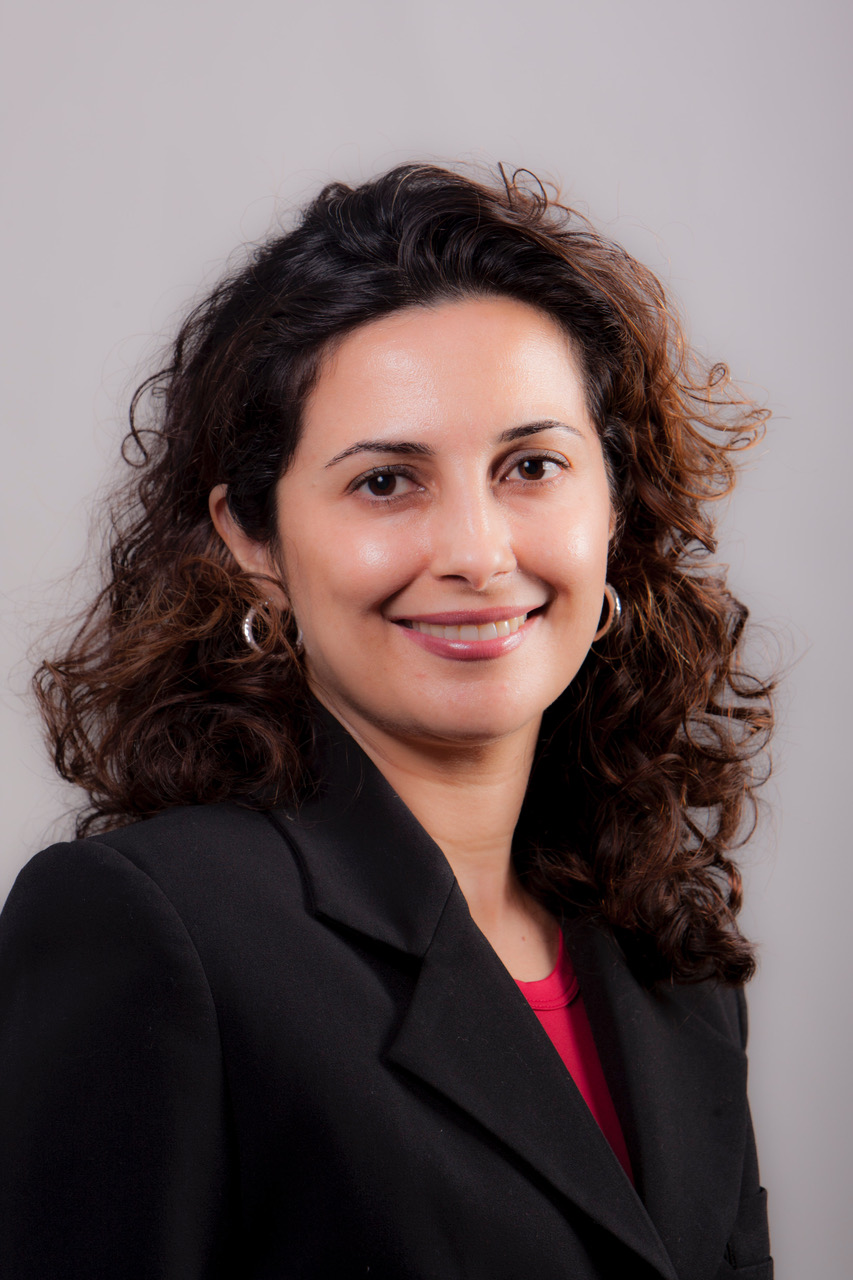
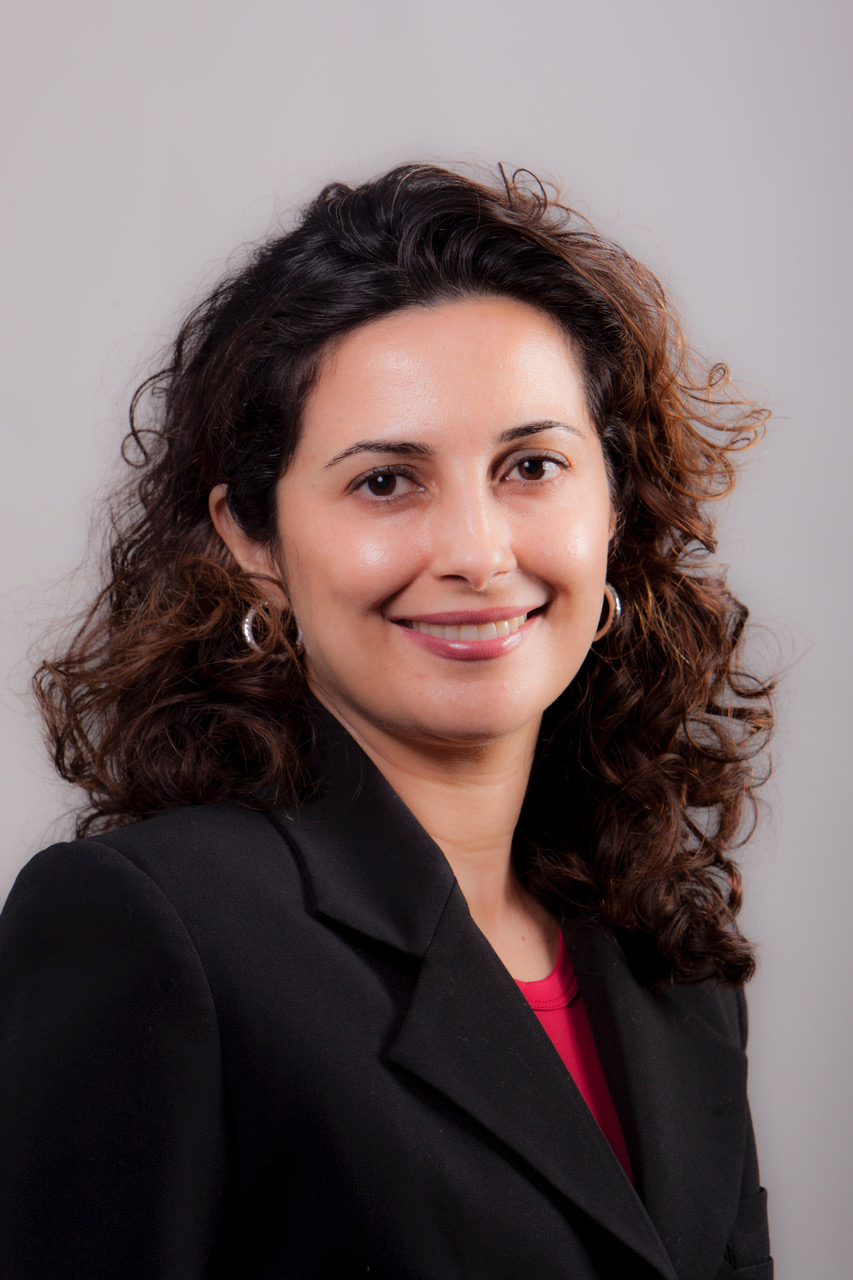
Nazila Fathi is a journalist and commentator on Iran and the author of The Lonely War: One Woman’s Account of the Struggle for Modern Iran (The Guardian, Vogue and Foreign Policy Association named The Lonely War the best non-fiction of 2014). She reported out of Iran for The New York Times for nearly two decades until 2009 when government threats forced her to leave the country. She wrote over 2,000 articles for The New York Times and translated History and Documentation of Human Rights in Iran, a book by Noble Peace Prize Laureate Shirin Ebadi, into English.
Fathi has written for the New York Review of Books, Foreign Policy, IMF Finance and Development, as well as Vogue and Marie Claire. She has been a guest speaker on CNN, BBC, CBC and NPR. She was awarded a Raoul Wallenberg Fellowship at Lund University in 2003, Nieman Fellowship for journalism at Harvard in 2010-11, Shorenstein Fellowship at the Harvard Kennedy School in 2012 and an association at Harvard Belfer Center in 2012-13.
Fathi’s academic background is in international development and women’s studies. As a hobby, she writes children’s books. My Name is Cyrus and Avicenna, the Father of Modern Medicine are among them.
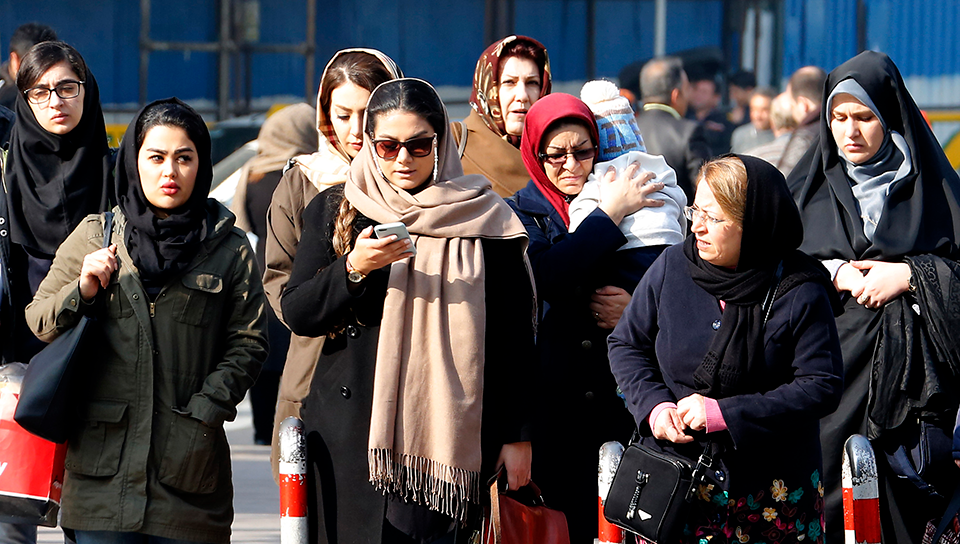
Iran came one step closer to becoming a full member of the Shanghai Cooperation Organization (SCO) last week with the approval of its bid, 15 years after it first applied. The accession process is expected to take up to two years to complete.
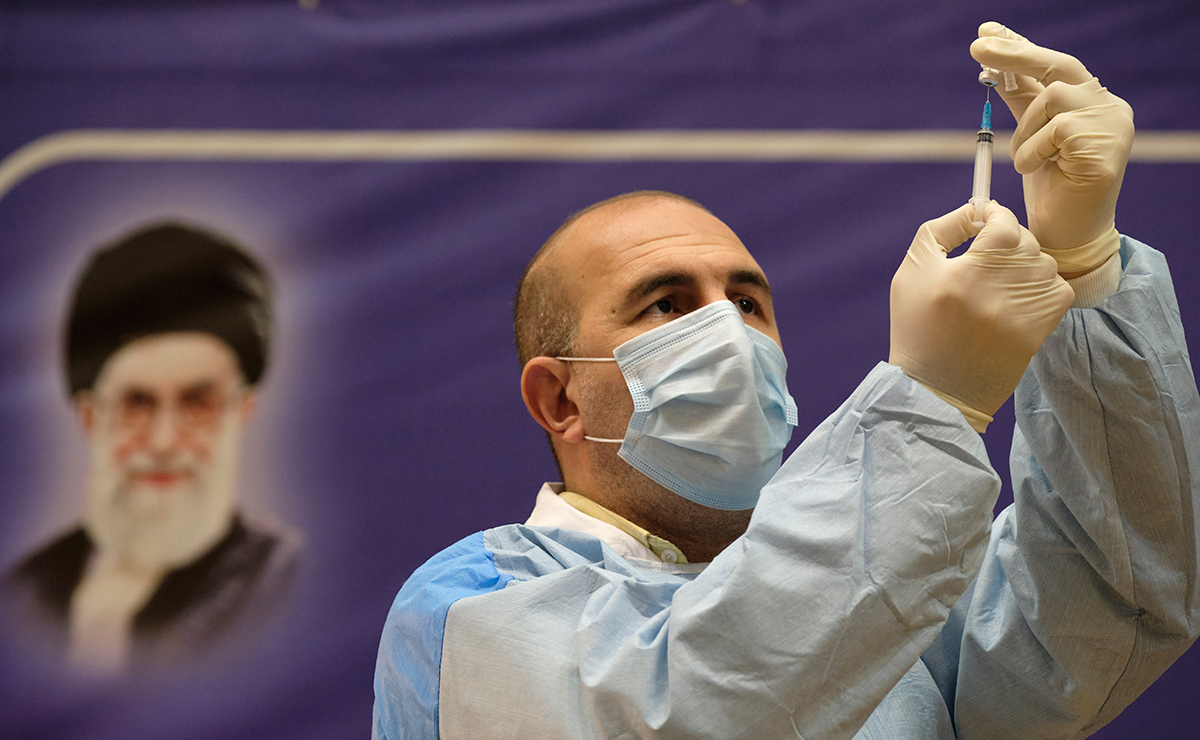
Iran announced last week it had developed one of the world’s most promising COVID-19 vaccines. The news appeared to be part of Tehran’s efforts to satisfy domestic demands for a safe vaccine and to show the country is launching its vaccine rollout independently, despite the crippling economic sanctions imposed by former U.S. President Donald Trump.
The ripple effects of the 2017 “#MeToo” movement shook Iranian social media this week as rape allegations were levelled against some of the country’s most prominent figures. The movement, which has led to the arrest of at least one alleged rapist so far, has triggered a broader conversation around sexual violence and harassment — an unspoken topic in Islamic Iran.
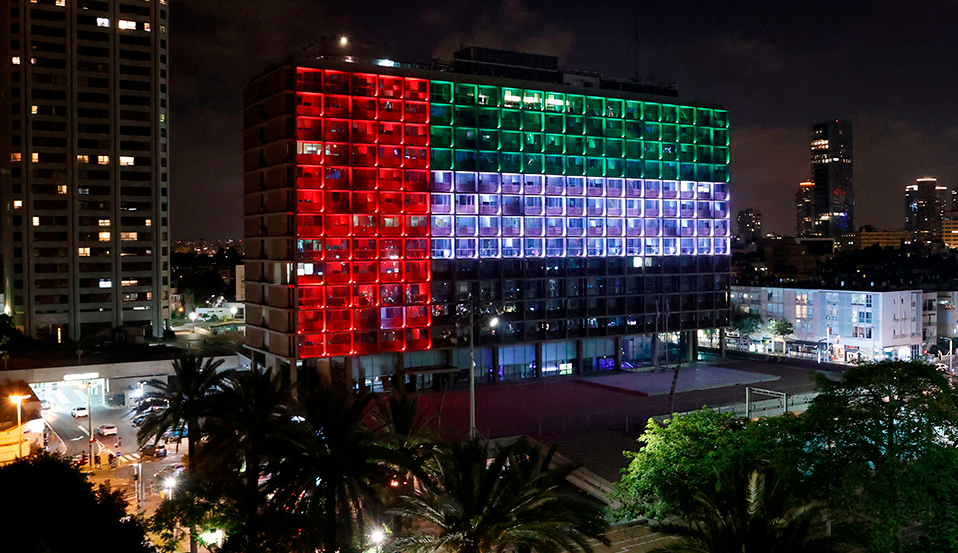
Special briefing: Regional reactions to the Israel-UAE deal
On Aug. 13, Israel and the United Arab Emirates (UAE) reached an agreement for “full normalization of relations,” ostensibly in return for an Israeli suspension of formal annexation of parts of the occupied West Bank. U.S. President Donald Trump announced the deal, which he called “a significant step towards building a more peaceful, secure, and prosperous Middle East.” To better understand the agreement and how it is being perceived across the region, we asked seven MEI experts to weigh in with their thoughts.
Monday Briefing: Red lines and rising tensions in Libya
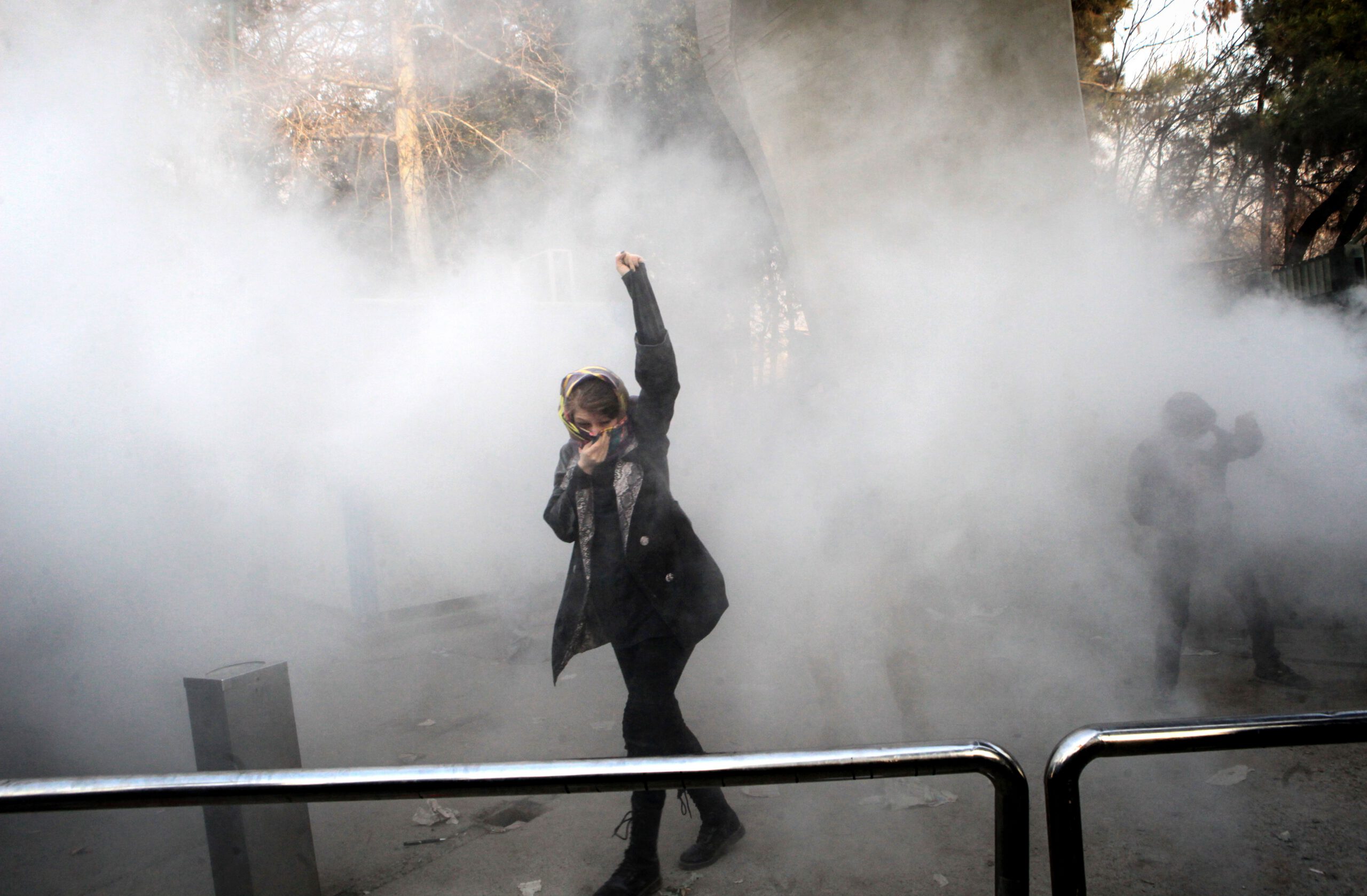
In this week’s Monday Briefing, MEI experts Mirette F. Mabrouk, Robert S. Ford, Nazila Fathi, and Marvin G. Weinbaum provide analysis on recent and upcoming events including rising tensions in Libya, economic turmoil and anti-regime protests in Iran, and the Jordanian high court’s decision to dissolve the Muslim Brotherhood.
الأزمات الاقتصادية وعمليات الإعدام المتكررة تسببت في اندلاع احتجاجات جديدة في إيران
اندلعت احتجاجات مناهضة للنظام الإيراني في عدة مدن إيرانية أواخر الأسبوع الماضي وسط تزايد البؤس الاقتصادي، وبعد أن أيدت محكمة محلية أحكام الإعدام في حق ثلاثة شبان، مما أثار غضب الشارع.
وأظهرت مقاطع فيديو منشورة على منصة تويتر، وجودًا كثيفًا لقوات الأمن في عدة محافظات، بما في ذلك طهران، خراسان، وخوزستان التي شهدت اشتباكات دموية خلال احتجاجات نوفمبر الماضي.