This individual is a guest contributor. MEI is not able to assist with contact requests.
Roie Yellinek earned his Ph.D. from Bar-Ilan University in Ramat-Gan, Israel. He is a researcher at the Begin-Sadat Center for Strategic Studies and an adjunct researcher at the IDF Dado Center. He was previously a non-resident scholar at the Middle East Institute and is a specialist in the growing relationship between the Middle East and China, especially in regards to the soft power component of Chinese diplomacy. He has written extensively on the China-Middle East relationship and is a frequently commentator in local and international media.
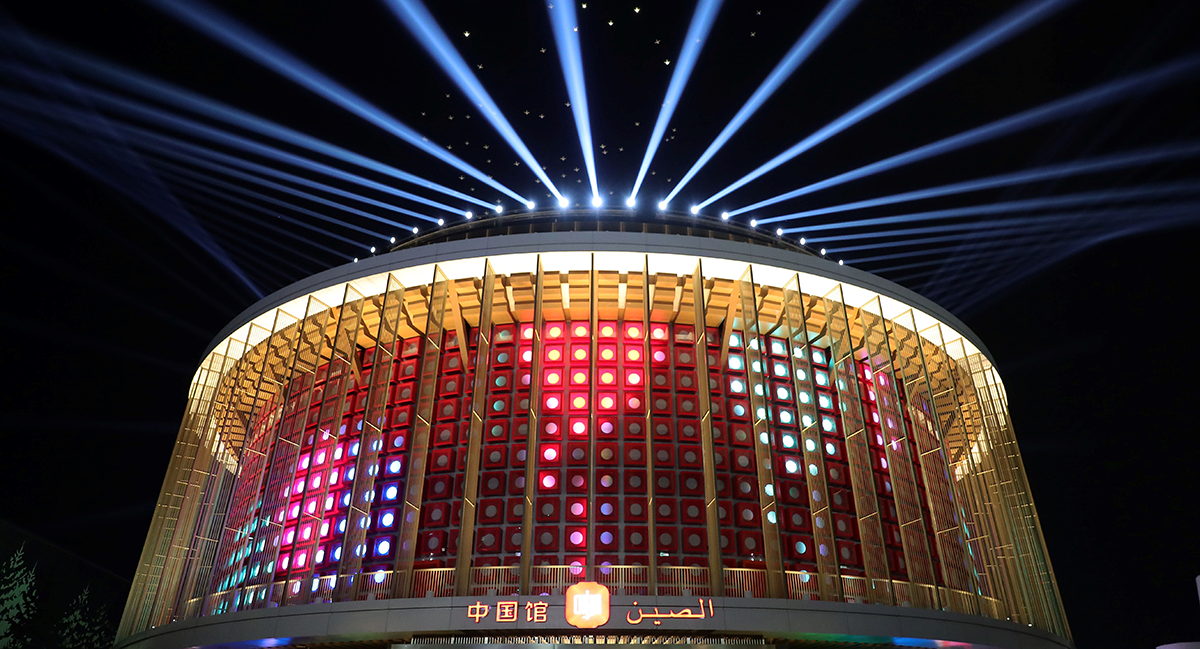
The strengthening ties between China and the Middle East
In a sign of strengthening relations, a long procession of foreign ministers from MENA visited China earlier this month. In addition, two MENA nations signed MoUs involving the BRI, China’s global infrastructure development effort.
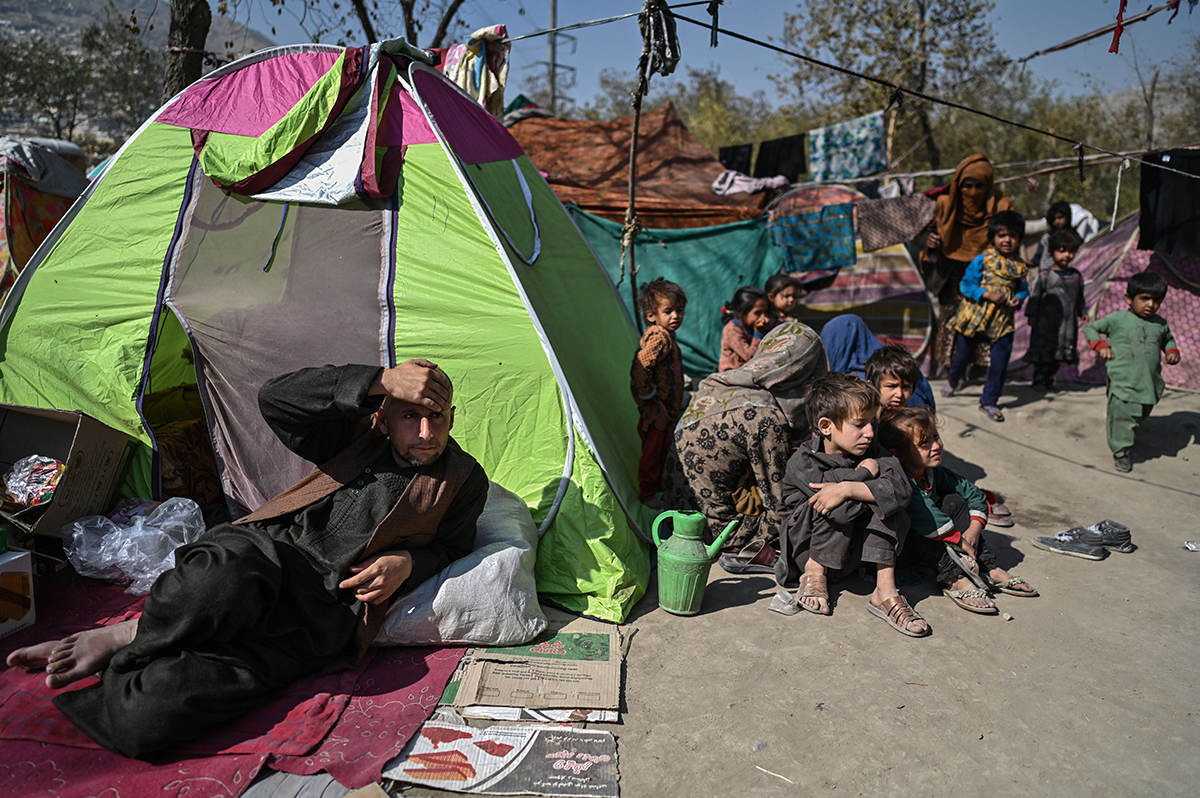
Since the hasty American withdrawal from Afghanistan in August, refugees have flowed out of the country and its domestic problems have grown increasingly dire due to the lack of effective governance and much-needed funding. Neighboring countries Iran, Pakistan, and China, along with other regional states and the U.S., now all face a dilemma as to how to stabilize the rapidly deteriorating internal situation. Further efforts must be made to address the growing economic and humanitarian crisis, especially before the onset of winter, although the nature and scope of these efforts are likely to be shaped by the broader competition between Washington and Beijing.
Does a new Israeli government mean a new regional policy? A look at the first 100 days
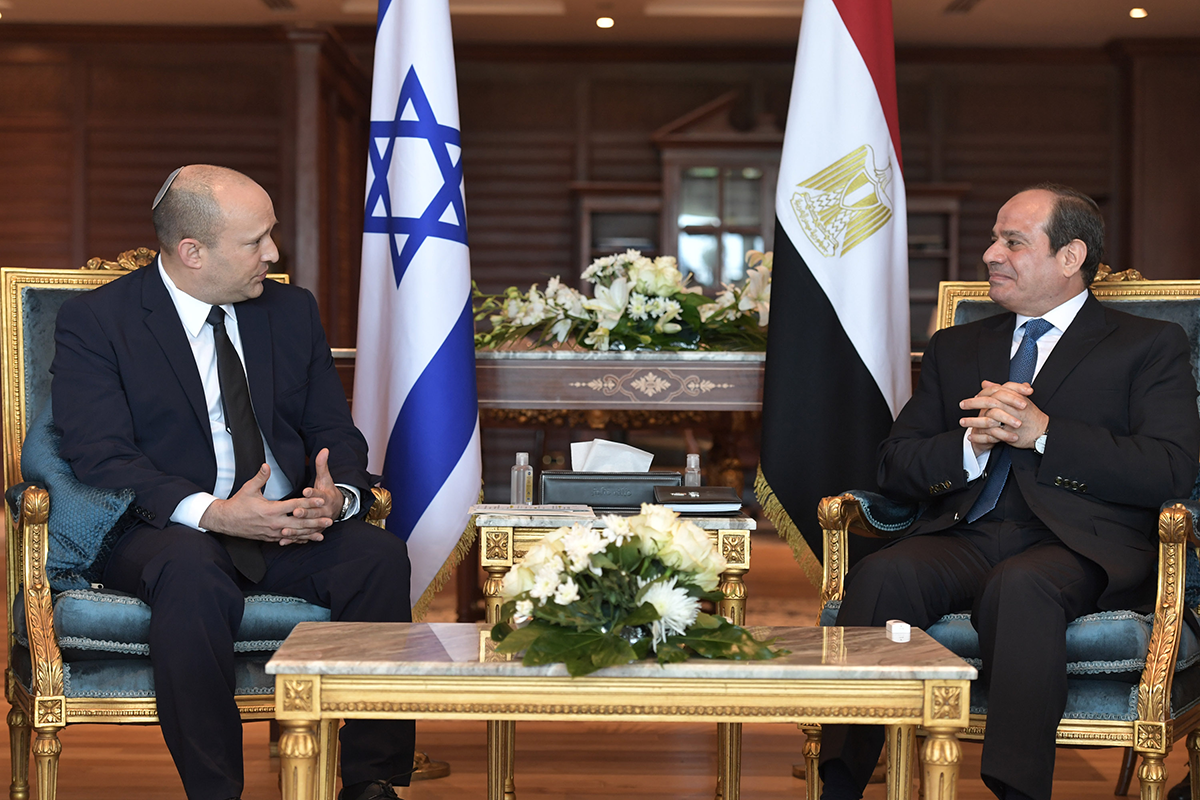
Naftali Bennett found his way to the Israeli prime minister’s office, even though his party won only six out of 120 seats in the Knesset (the Israeli parliament) in the March 2021 elections. He replaced the country’s long-time prime minister, Benjamin Netanyahu, who held the position for a combined total of 12 years and set the tone for Israeli policy, especially in the region. With the new government, formed in June, recently passing the 100-day mark, it is time to ask whether the change in the prime minister’s office has resulted in a real change in Israel’s regional policy.
The politics and geopolitics of the Afghan refugee crisis
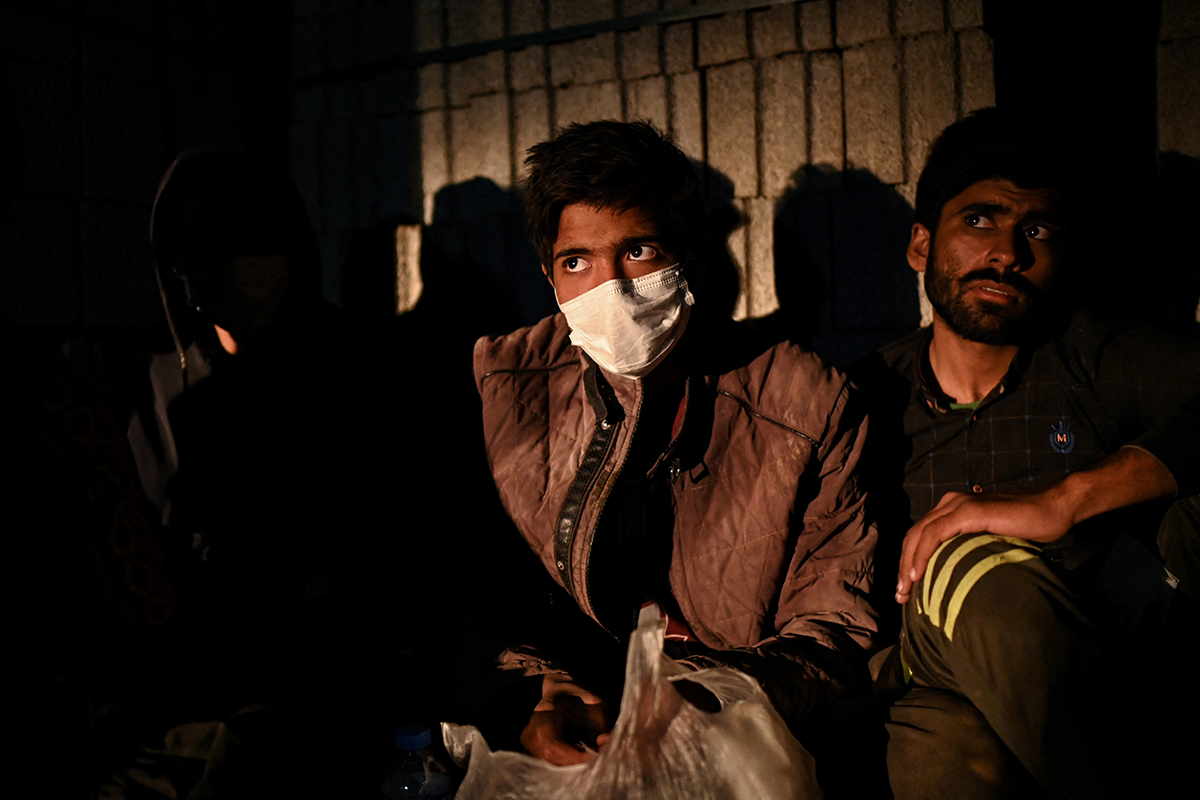
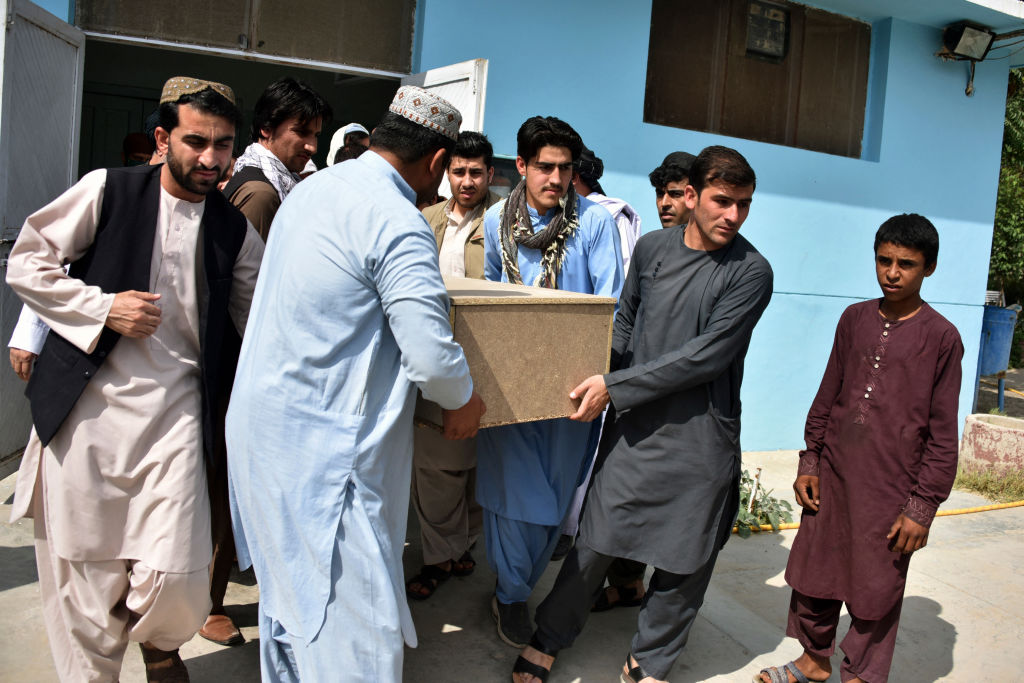
For the second time in the past two decades, a large number of Afghans find themselves escaping chaos. Twenty years ago, it was the American invasion of Afghanistan after the terrorist attacks of 9/11 that caused a large wave of refugees. More recently, the hasty American withdrawal from the country and the ensuing Taliban takeover have created another wave of refugees.
Stuck in the middle: Afghanistan between the superpowers
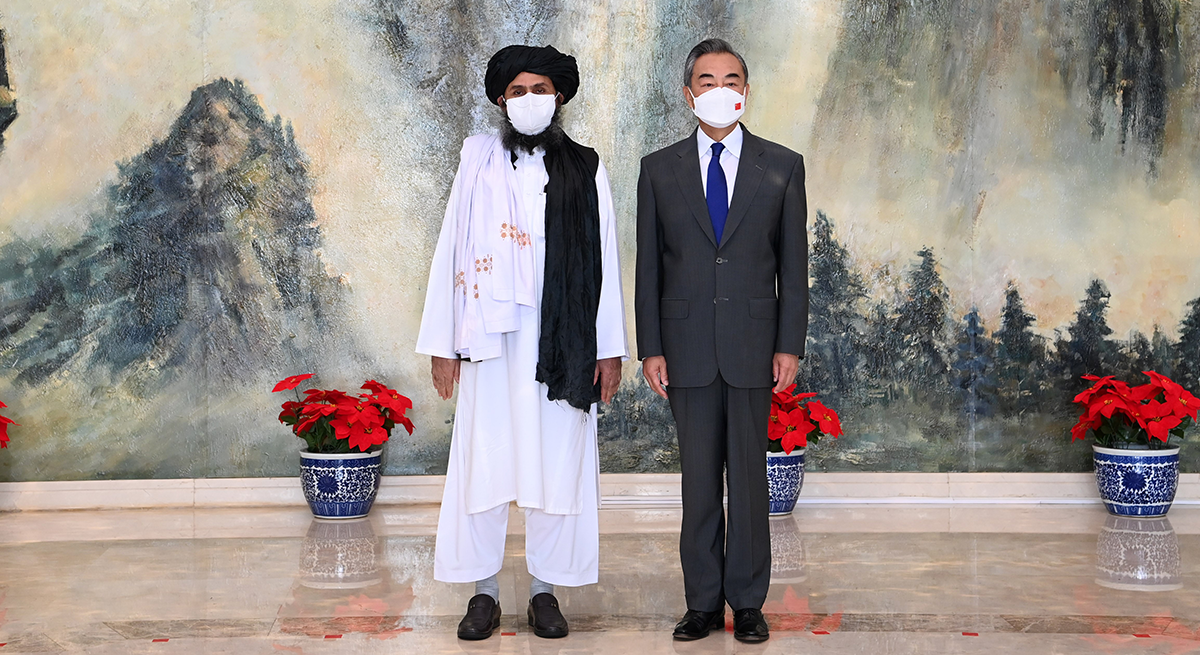
After 20 years of extensive involvement in Afghanistan by the U.S. and other NATO allies, now is the time to ask what China sees in the country and how it plans to approach relations with its new rulers, the Taliban.
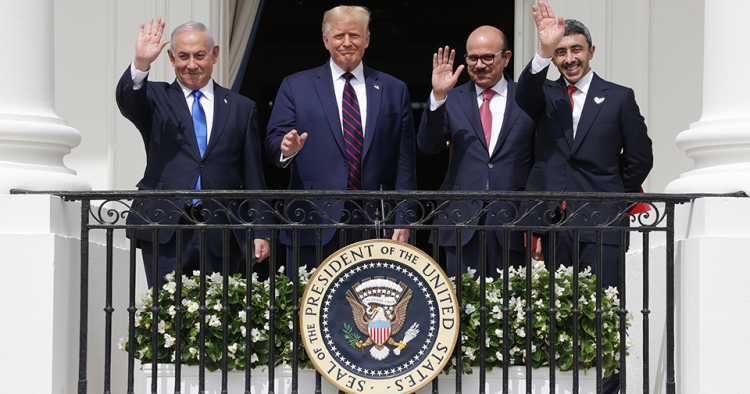
On Sept. 15, 2020, Emirati Foreign Minister Abdullah bin Zayed al-Nahyan, Bahraini Foreign Minister Abdullatif bin Rashid al-Zayani, then-Israeli Prime Minister Benjamin Netanyahu, and then-U.S. President Donald Trump met on the South Lawn of the White House to sign the Abraham Accords, normalizing relations between the two Gulf Arab states and Israel. Morocco followed suit several months later, signing a similar agreement with Israel on Dec. 22, and a week and a half after that, on Jan. 6, 2021, Sudan and Israel also agreed to normalize relations. A year on, these accords have had a significant, if not yet fully realized, impact on the Middle East, affecting everything from geopolitics and economics to tourism and people-to-people (P2P) ties, and they also reflect the changing dynamics in the region and beyond, particularly with the U.S. and China.
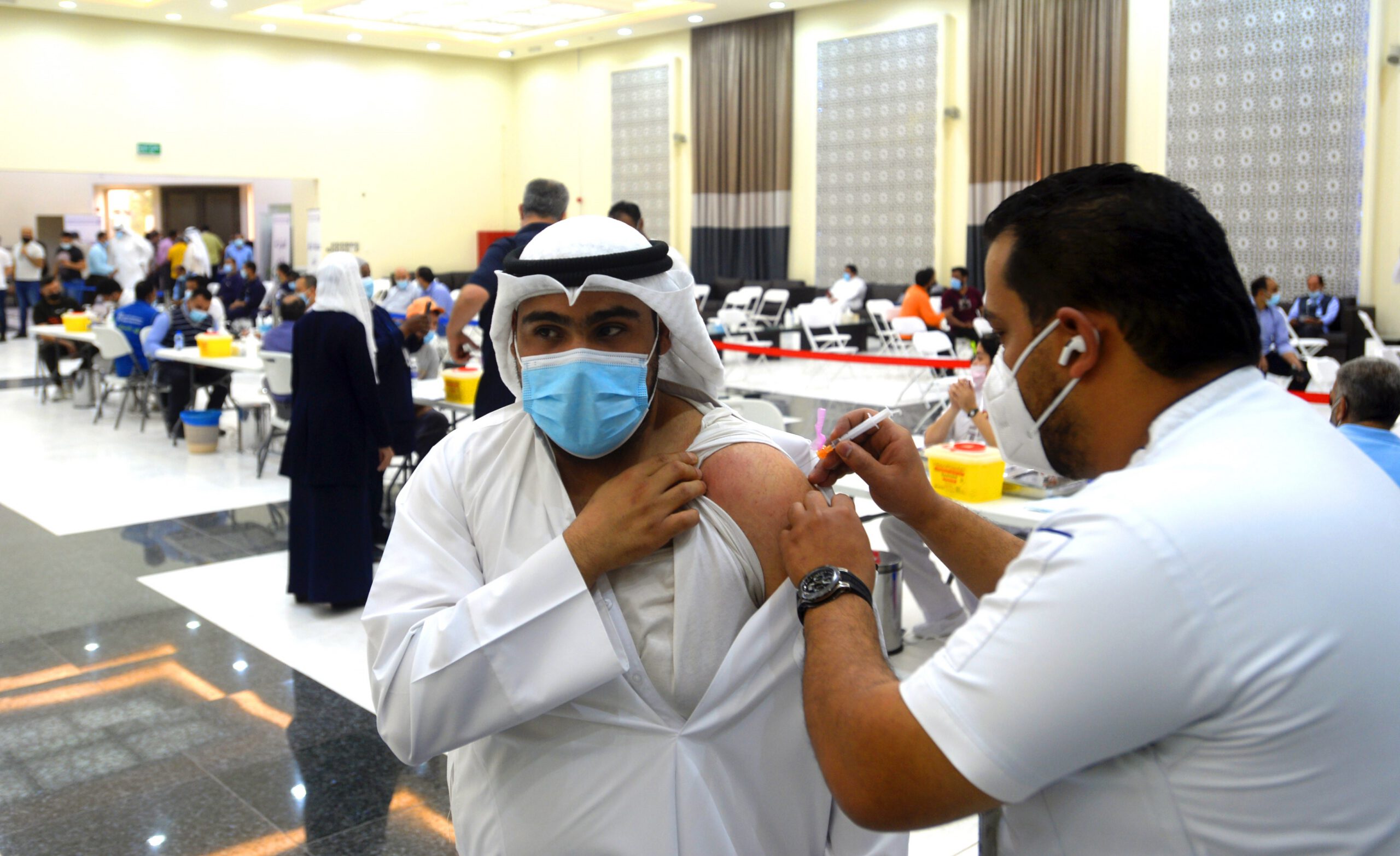
Vaccine diplomacy, or the use of vaccine supplies as a tool of soft power projection, has entered the political dictionary. In a world where COVID-19 has been taking a terrifying human and financial toll, vaccine supplies promise relief and interact with pre-existing politics and foreign policy priorities. China and Russia have sought to enhance their influence in the Middle East and North Africa (MENA) region with a number of high-profile vaccine deals. This has drawn the ire of a beleaguered European Union, whose self-professed goal is to become a more geopolitical union even while its domestic vaccination effort lags behind the U.S. and the U.K.
How can China mediate between Israel and Pakistan?
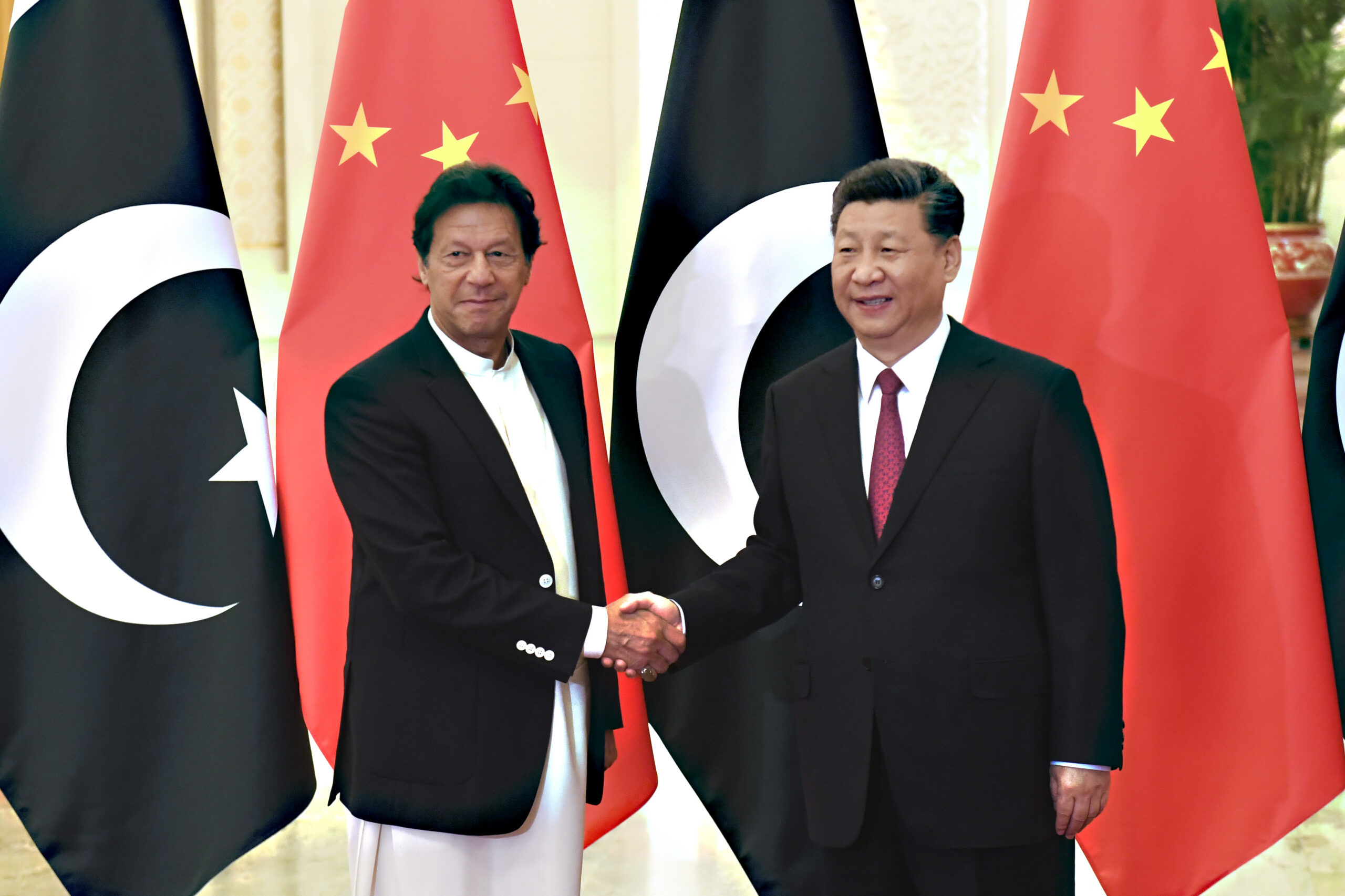
Pakistan’s Prime Minister Imran Khan recently revealed that several countries are pressuring Islamabad to follow in the footsteps of the Gulf states by recognizing the state of Israel. Khan, however, expressed opposition to this idea, at least until there is a political settlement that meets Palestinian demands. While full normalization between Israel and Pakistan may still be out of reach, China could mediate between these two countries which have never established a diplomatic relationship.
How can China maintain good relations with both Israel and Iran?
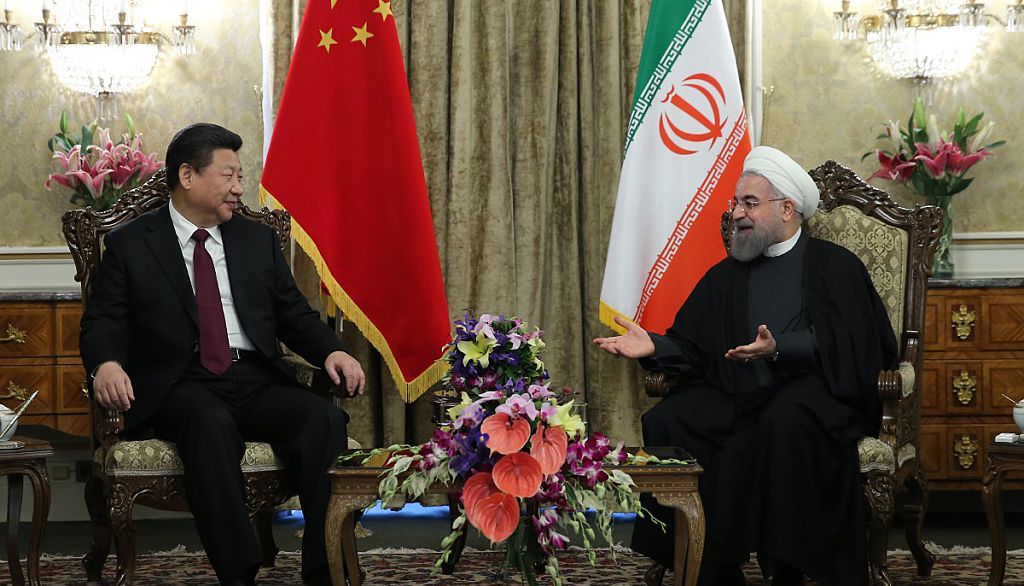
In recent years, China has become increasingly involved in the international arena, including the Middle East. As a rising superpower, China finds itself, time and again, needing to maintain relationships with countries that are hostile to one another. This is particularly true in the Middle East, which is one of the most conflictual areas in the world. China faces a challenge as it seeks to maintain good relations with both Iran and Israel, two of the region’s fiercest and loudest adversaries. How does Beijing manage to do this, and can it continue to do so going forward?
Special briefing: Regional reactions to the Israel-UAE deal
On Aug. 13, Israel and the United Arab Emirates (UAE) reached an agreement for “full normalization of relations,” ostensibly in return for an Israeli suspension of formal annexation of parts of the occupied West Bank. U.S. President Donald Trump announced the deal, which he called “a significant step towards building a more peaceful, secure, and prosperous Middle East.” To better understand the agreement and how it is being perceived across the region, we asked seven MEI experts to weigh in with their thoughts.
The Middle East and China: Trust in the time of COVID-19
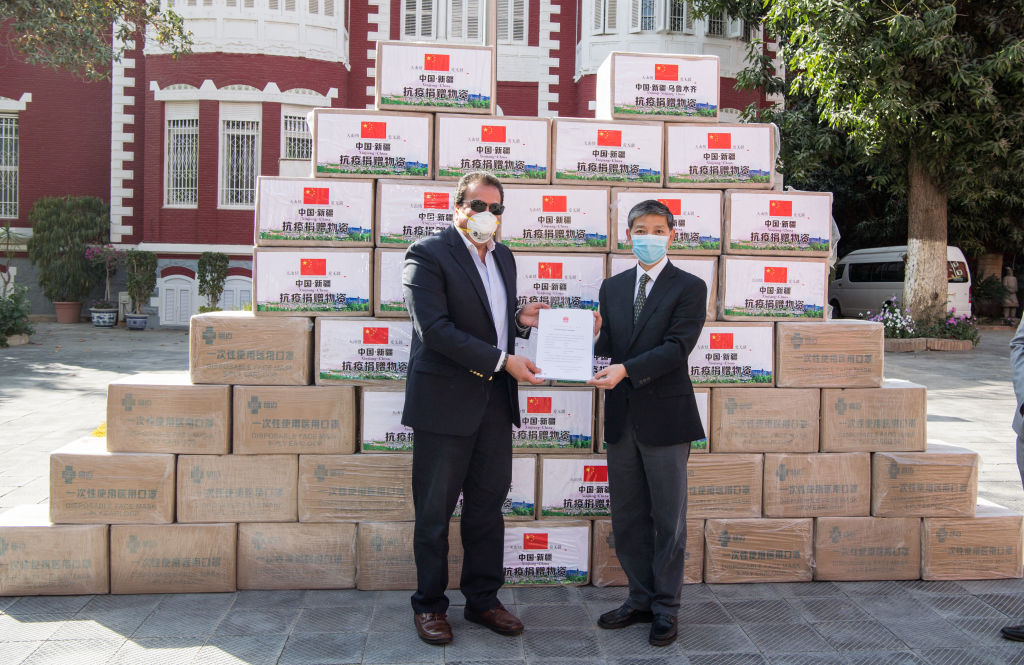
China and the Middle East have long-standing historical ties that have grown significantly closer in recent years, driven by rising levels of trade and investment, as well as a burgeoning political relationship. However, the outbreak of the COVID-19 pandemic, which spread from China to the region and the rest of the world, has ushered in a complex new dynamic in relations between the two sides.
According to the latest poll published by the Pew Research Center, the Israeli public sees China in a favorable way. Only in Russia and Nigeria does China get a more sympathetic audience. This result seems surprising, when compared to China’s low level of favorability in other Western countries. However, the strong favorability rating registered in the Pew survey is less surprising than it seems, and in fact is a clear indication that the wide-ranging Chinese soft power efforts to appeal to the Israeli public opinion have paid off.